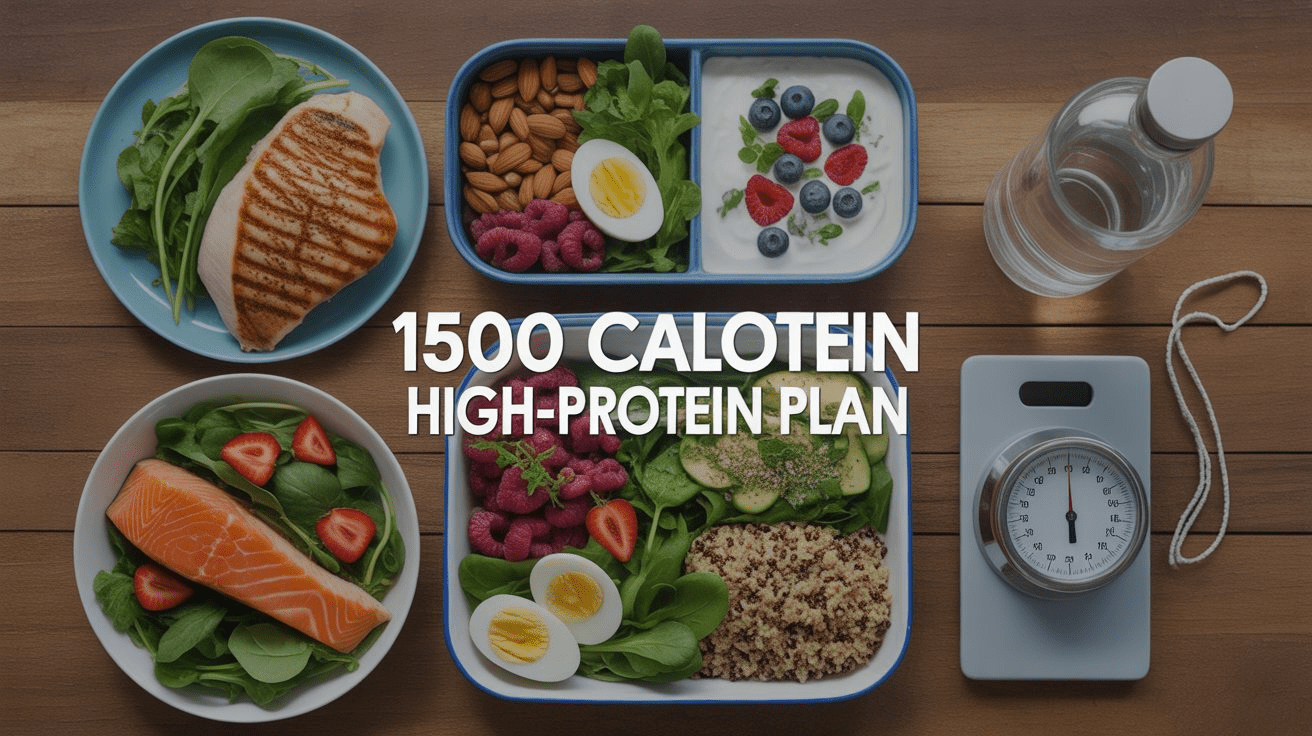
A high protein 1500 calorie diet plan is a structured way to create a calorie deficit while ensuring your body gets enough nutrients to function optimally
why choose a high protein 1500 calorie diet plan
. By emphasizing lean protein sources such as chicken breast, fish, tofu, eggs, and Greek yogurt, this approach supports both fat loss and the preservation of lean body mass.
Protein is the most satiating macronutrient, meaning it helps you feel fuller for longer. This makes it easier to manage hunger while eating fewer calories.
A 1500 calorie diet plan also provides a clear framework for balancing macronutrients. When 30–40% of daily calories come from protein, the body not only burns more energy during digestion but also maintains muscle strength during weight loss.
Unlike overly restrictive diets, this method is more of a sustainable diet plan—it combines nutrient-rich foods with adequate protein to keep energy levels steady throughout the day.
Whether your goal is weight loss, appetite control, or muscle maintenance, choosing a high protein 1500 calorie diet plan offers a practical balance between calorie control and nutrition. It is especially useful for people who want results without sacrificing food variety or satiety.

Who Should Try a High Protein 1500 Calorie Diet Plan (and Who Shouldn’t)
A high protein 1500 calorie diet plan can be an excellent option for adults aiming to lose fat while maintaining lean body mass.
It’s especially useful for individuals who want to create a calorie deficit without constant hunger, since protein helps manage appetite and supports energy levels.
Many people find that focusing on lean protein sources and balanced macronutrients makes the plan both practical and sustainable.
However, this approach is not for everyone. Highly active athletes or people with physically demanding jobs may find 1,500 calories too low to meet performance and recovery needs
. Likewise, anyone with medical conditions such as kidney disease should avoid high protein intake without medical supervision.
The safest path is to view this as a nutritionist recommended plan for short- to medium-term weight loss, with adjustments made over time for a more sustainable diet plan that supports long-term health.

How Much Protein to Eat on a 1500 Calorie Diet Plan ?
One of the most common questions about a high protein 1500 calorie diet plan is how much protein is enough. While needs vary, most nutrition experts recommend aiming for 80–130 grams of protein per day on a 1,500 calorie framework.
That translates to roughly 30–40% of daily calories coming from protein, with the rest divided between carbohydrates and healthy fats.
Breaking this down, a good rule of thumb is 25–35 grams of protein per meal, with an additional 10–20 grams from snacks. This distribution helps you stay full, stabilize blood sugar, and support muscle maintenance while in a calorie deficit.
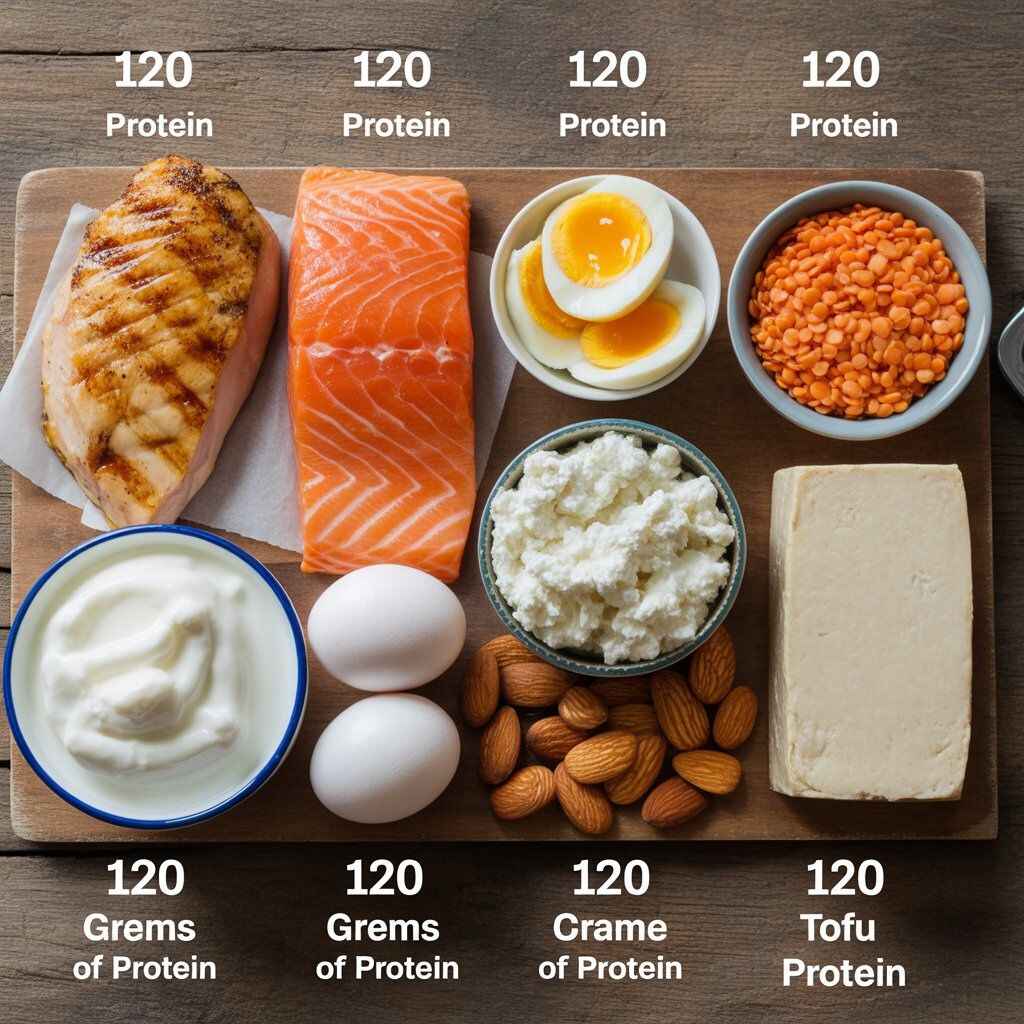
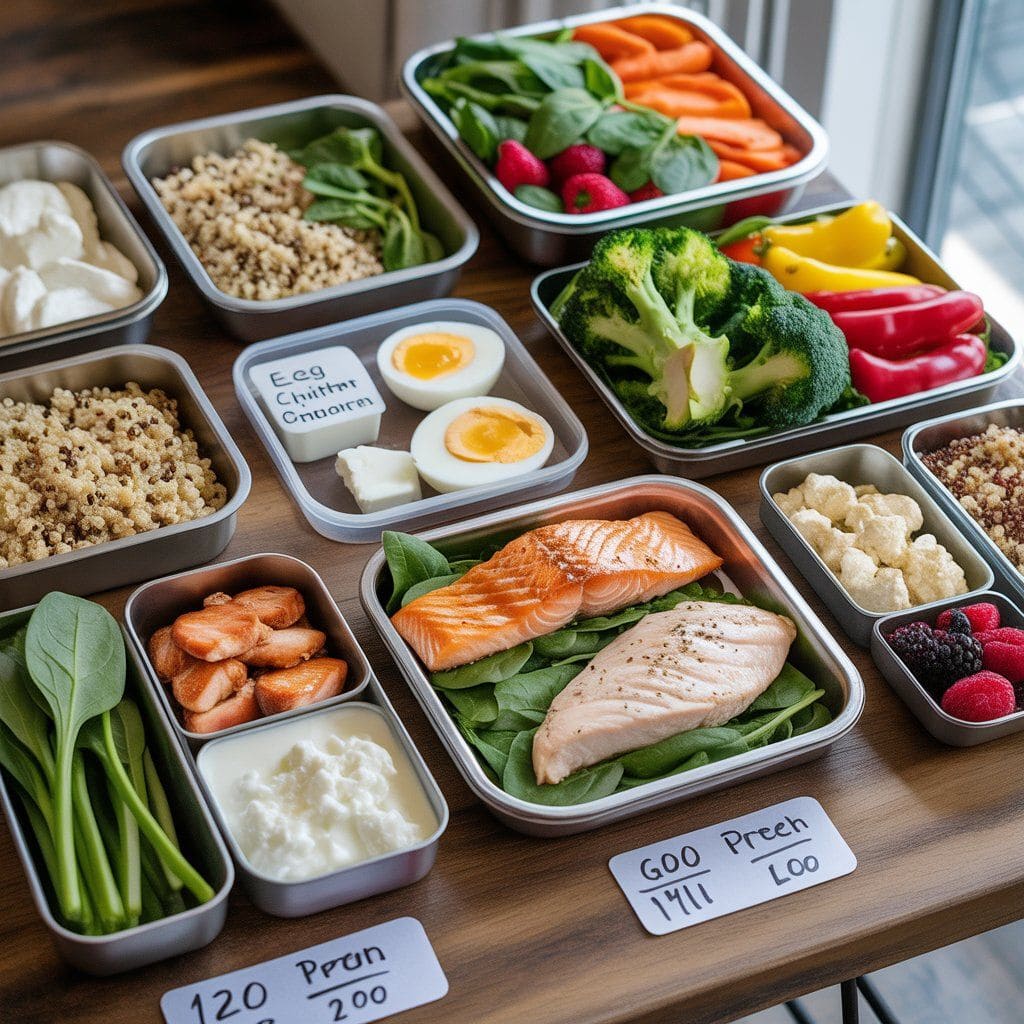
Practical examples include a breakfast with Greek yogurt and berries, a lunch built around grilled chicken or tofu, and a dinner featuring salmon or lentils
. Adding protein-rich foods at every eating occasion ensures your macronutrients remain balanced and your diet is both satisfying and effective.
Day High Protein 1500 Calorie Diet Plan (Sample Menu)
| Day | Breakfast | Lunch | Dinner | Snack | Daily Calories | Daily Protein |
|---|---|---|---|---|---|---|
| 1 | Greek yogurt with chia seeds & blueberries | Grilled chicken salad with quinoa & olive oil | Baked salmon with broccoli & sweet potato | Cottage cheese with cucumber | ~1,500 kcal | ~109g |
| 2 | Egg-white omelet with spinach & feta | Turkey lettuce wraps with hummus & veggies | Tofu stir-fry with brown rice & vegetables | Protein shake with almond milk | ~1,510 kcal | ~104g |
| 3 | Overnight oats with whey protein & strawberries | Shrimp & avocado salad with olive oil | Lean beef stir-fry with zucchini noodles | 2 boiled eggs | ~1,520 kcal | ~109g |
| 4 | Protein smoothie with banana & spinach | Lentil soup with whole-grain toast | Grilled cod with roasted asparagus | Low-fat string cheese | ~1,495 kcal | ~101g |
| 5 | Cottage cheese with pineapple & flaxseeds | Turkey quinoa bowl with roasted veggies | Baked chicken breast with Brussels sprouts | Edamame (steamed) | ~1,505 kcal | ~110g |
| 6 | Scrambled eggs with mushrooms & salsa | Tofu Buddha bowl with brown rice | Grilled salmon with green beans | Greek yogurt with almonds | ~1,520 kcal | ~112g |
| 7 | High protein pancakes with berries | Chickpea salad with olive oil & feta | Grilled turkey burger with zucchini fries | Protein bar | ~1,500 continue to next s |
Benefits of Following a High Protein 1500 Calorie Diet Plan
One of the biggest advantages of a high protein 1500 calorie diet plan is better appetite control. Protein-rich meals keep you fuller for longer, which helps reduce unnecessary snacking
. This plan also supports lean muscle retention during weight loss, making it more effective than a low-protein approac
By focusing on nutrient-dense foods and balanced macronutrients, you improve energy, recovery, and overall health. Combined with a calorie deficit, it creates a sustainable path to lose fat while protecting your metabolism.

Potential Drawbacks and How to Overcome Them
While a high protein 1500 calorie diet plan is effective, it does have challenges. Some people may feel low on energy at first, especially if they’re used to higher calorie intake.
Others may struggle with digestive discomfort if they suddenly increase protein. The key is to introduce lean protein sources gradually, stay hydrated, and include fiber-rich vegetables
Consulting a healthcare professional ensures safety, especially for those with existing health conditions. With proper adjustments, this plan can remain sustainable and results-driven

FAQs
Q1: Will a high protein 1500 calorie diet plan help with weight loss?
Yes. By combining calorie deficit with protein, this plan promotes fat loss while preserving lean body mass.
Q2: Can vegetarians follow a 1500 calorie high protein diet?
Absolutely. Use tofu, legumes, cottage cheese, and Greek yogurt as primary protein sources.
Q3: How much protein should I eat per meal?
Aim for 25–35 g protein per meal to maintain satiety and meet macro goals.
Q4: Can I build muscle on 1500 calories a day?
Not typically—1500 calories is designed more for fat loss. You may maintain muscle but muscle gain usually requires a calorie surplus.
Q5: Is protein powder necessary in this plan?
Not required, but protein shakes or powder can be convenient for hitting your daily protein target.
Q6: Is this plan safe long-term?
It can be followed short-term for weight loss. For sustainable results, transition to a higher-calorie nutritionist recommended plan once goals are met.
Shahroz Malik is a seasoned health and nutrition writer with over four decades of practical experience in wellness and fitness.At 62, he brings unmatched expertise in protein-focused diets, muscle health, and sustainable nutrition.Through his website Protein Power, Shahroz shares evidence-based articles on high-protein meal plans, weight management, and performance nutrition.His mission is to help people of all ages discover the benefits of protein for strength, energy, and long-term health.