.Hit 120g protein with lean foods, meal planning, and balance. Avoid myths—protein is safe, not harmful, and focus on whole foods, not just supp
how much is 120 grams of protein
When discussing how much is 120 grams of protein, misconceptions often arise. A common myth is that high protein intake damages healthy kidneys
. In reality, research shows protein is safe for most people without pre-existing kidney issues. Another mistake is focusing only on protein while neglecting other macros like complex carbs and healthy fats, which are equally vital for performance and en
Another way to build up to 120 grams is mixing plant and animal protein sources. For example, pairing beans with rice adds amino acids that make the protein more complete
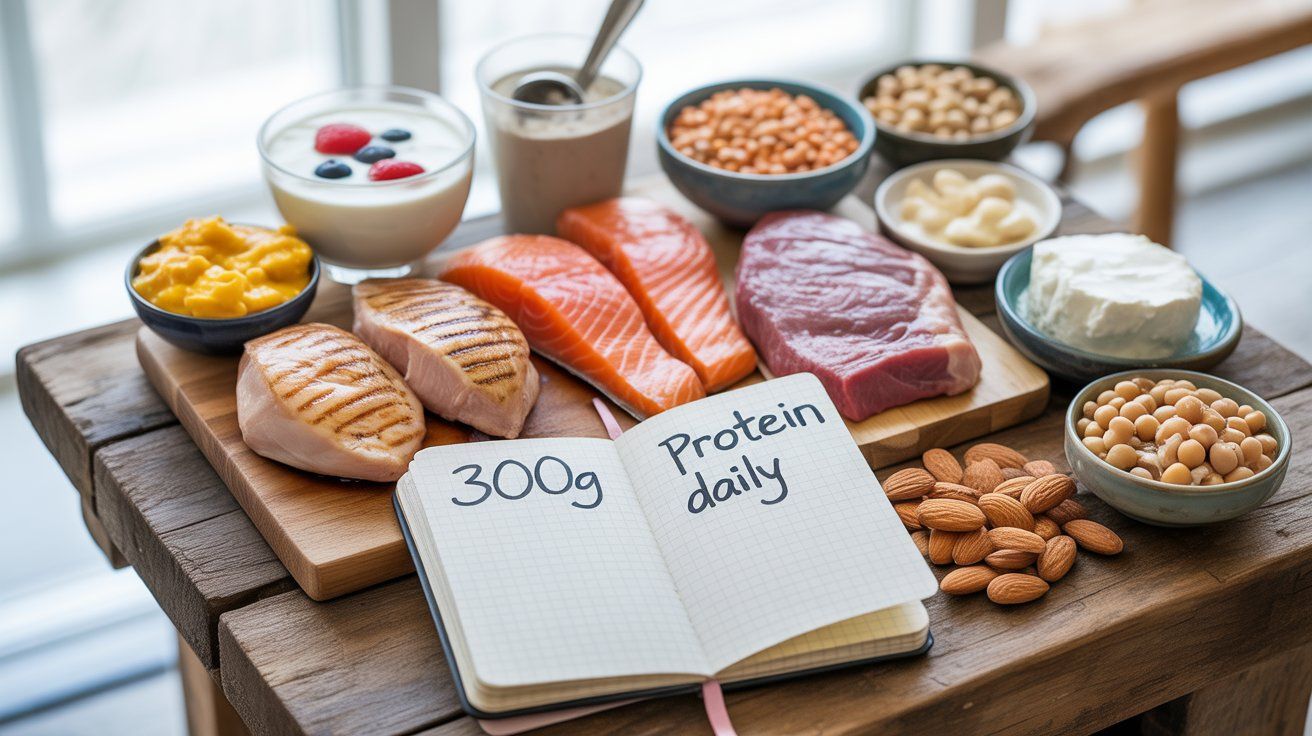
. Vegetarians can rely on lentils, tofu, and quinoa, while those who prefer animal sources may focus on fish, poultry, or lean beef.
Thinking in terms of portions makes the number more realistic. Instead of obsessing over grams, try grouping meals so that each one contains at least 25–35 grams of protein. By the end of the day, you’ll naturally add up to 120 grams without forcing it.
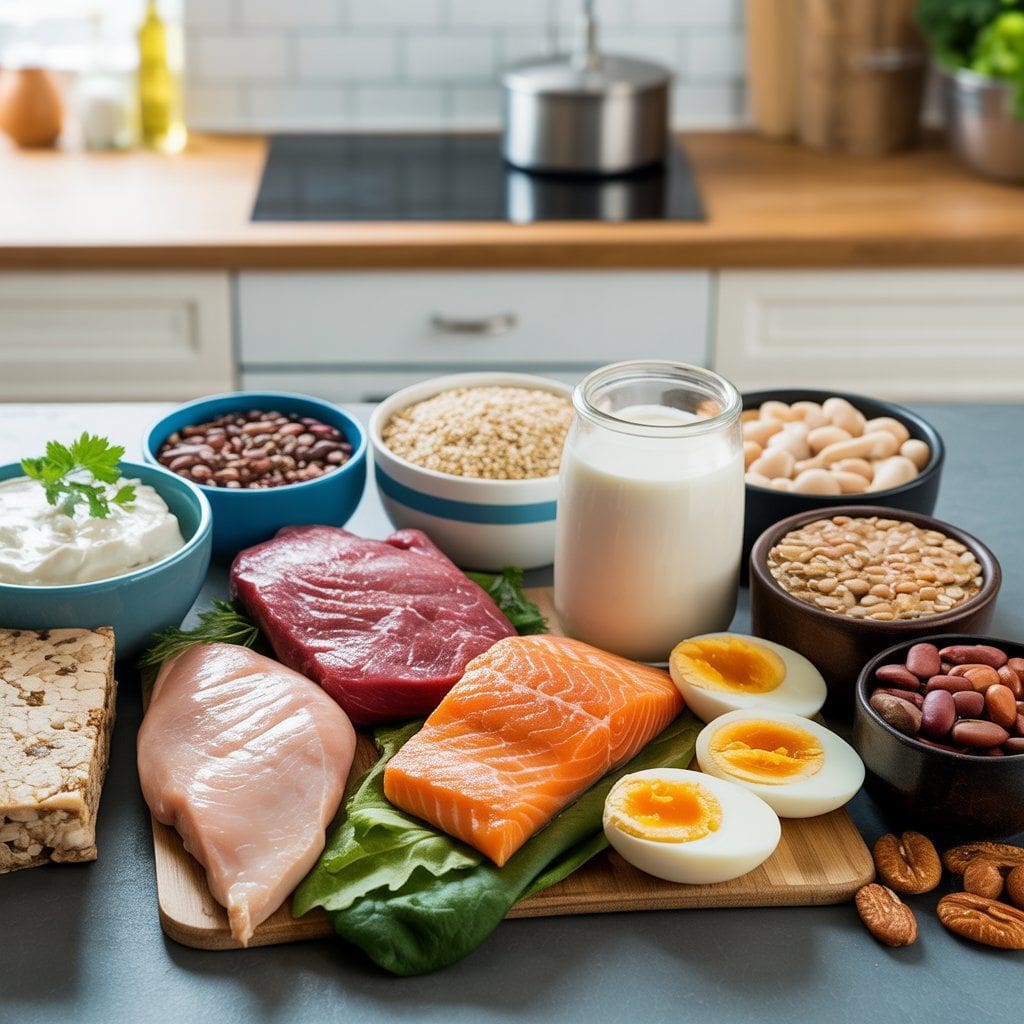
Sample 120g Protein Meal Plan
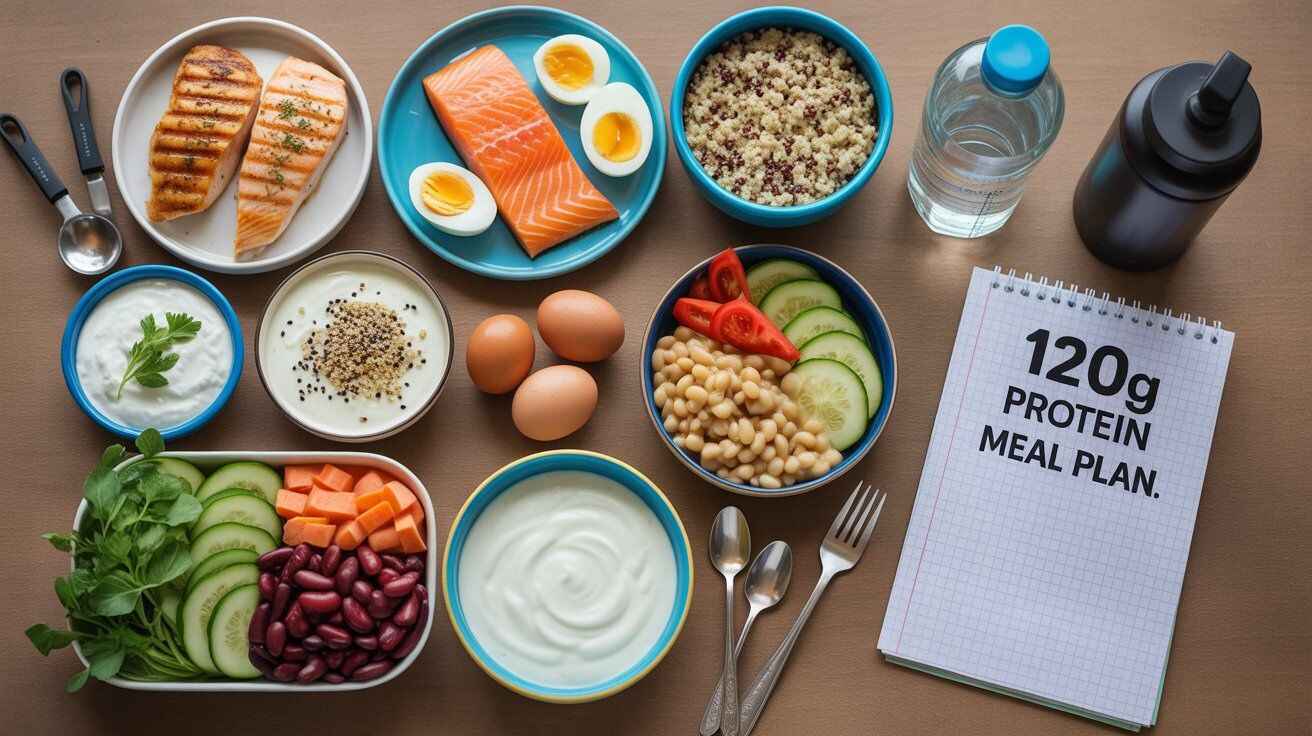
Knowing how much is 120 grams of protein is one thing, but putting it into practice requires planning. A structured meal plan helps you distribute protein across the day so you’re not cramming it all into one sitting. Here’s a simple example:
- Breakfast: Three eggs scrambled with spinach + one cup of Greek yogurt (~30g protein).
- Lunch: Grilled chicken breast with quinoa and vegetables (~40g protein).
- Snack: Whey protein shake blended with milk (~25g protein).
- Dinner: Baked salmon with roasted sweet potatoes and broccoli (~25g protein).
This balanced plan shows that reaching 120 grams of protein doesn’t mean eating huge amounts of meat at every meal.
By combining lean animal protein with nutrient-rich plant foods, you cover both your macro and micronutrient needs
. Each meal provides 25–40 grams of protein, making the total intake steady throughout the day and easier to digest, rather than overwhelming your body all at once.
If you prefer vegetarian or vegan options, swap chicken for lentils, salmon for tofu, or use tempeh and quinoa together.
Protein-rich snacks like cottage cheese, edamame, or roasted chickpeas can also close the gap. The key is thinking ahead—prep your meals so you don’t fall short or rely too heavily on processed
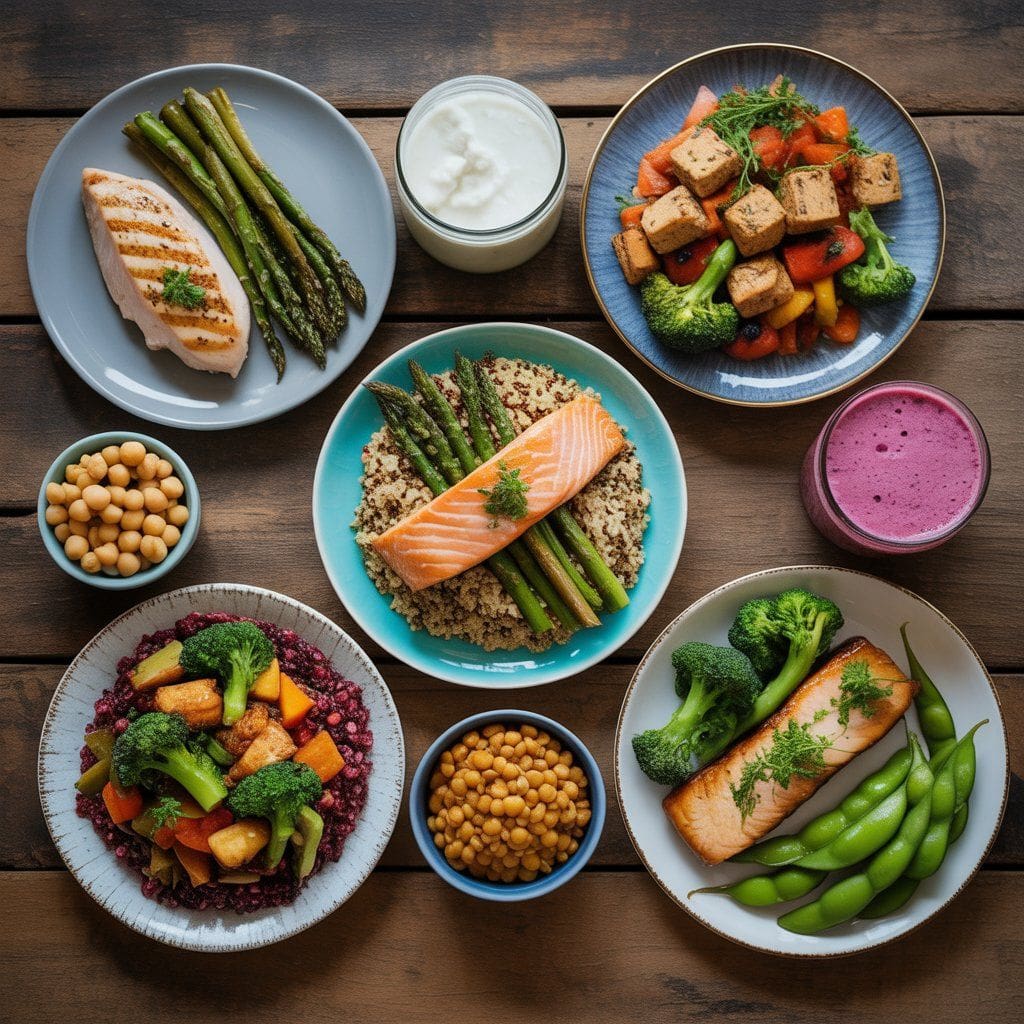
Table: How Much Is 120 Grams of Protein?
| Meal / Example | Food Items | Protein (grams) | Notes |
|---|
| Breakfast | 3 eggs + 1 cup Greek yogurt | ~30g | Eggs give ~6g each, yogurt adds ~10–15g |
| Lunch | Grilled chicken breast + quinoa + vegetables | ~40g | Chicken breast ~30g, quinoa adds ~8–10g |
| Snack | Whey protein shake with milk | ~25g | Quick way to boost intake |
| Dinner | Baked salmon + sweet potato + broccoli | ~25g | Salmon fillet ~25g depending on size |
| Plant-based alternative | Lentils (1 cup cooked) + tofu (100g) + brown rice | ~32g | Balanced plant combo, amino acids complete |
| Daily Total | — | ~120g | Equal to ~480 calories from protein |
Tips to Reach 120 Grams of Protein Without Extra Calories
Reaching how much is 120 grams of protein daily doesn’t mean loading up on high-calorie foods. With smart choices, you can hit your target without overshooting your calorie budget.
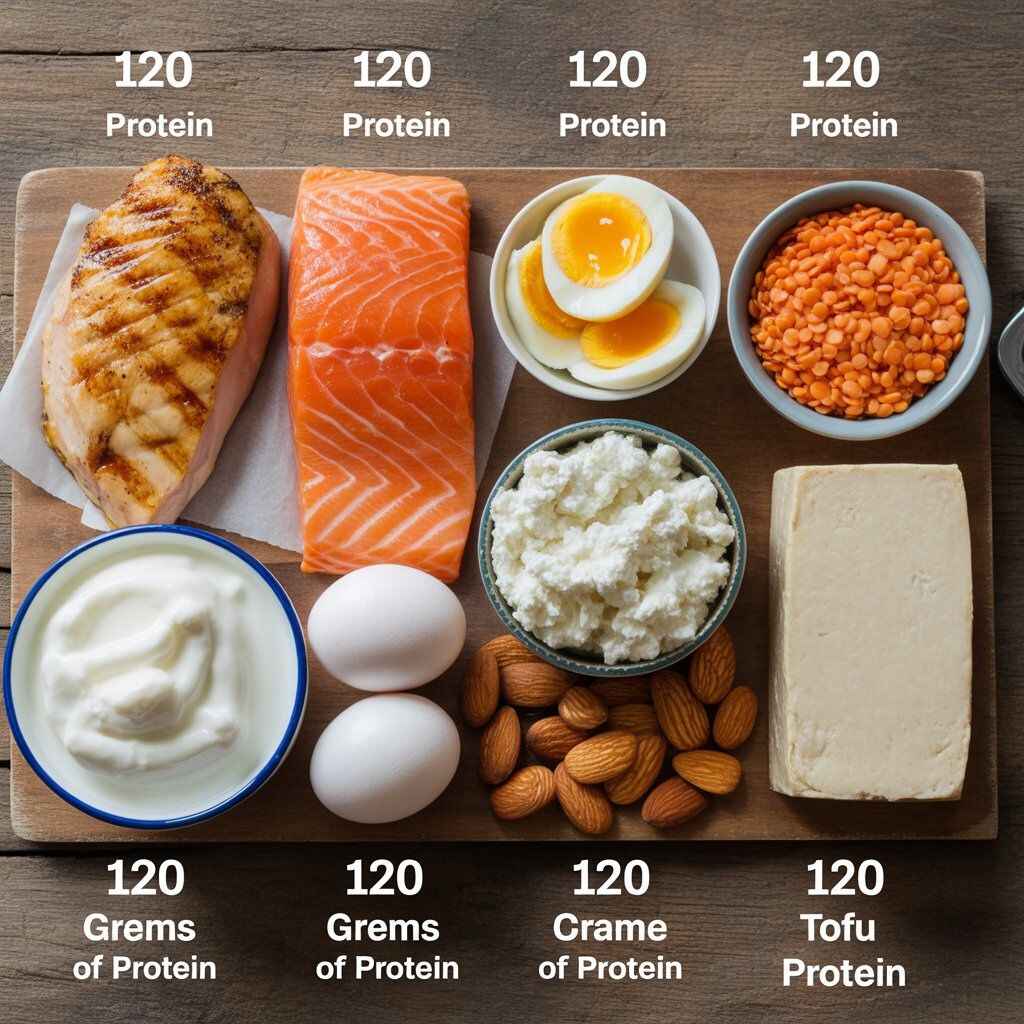
Focus on lean protein sources like chicken breast, turkey, egg whites, fish, Greek yogurt, and cottage cheese. These foods deliver protein with minimal added fat.
Another helpful strategy is spreading protein intake across meals—aim for 25–35 grams each time you eat. This approach supports muscle repair while preventing calorie overload from large servings. Snacks like edamame, low-fat cheese, or protein bars can fill the gaps.
For plant-based eaters, combining beans with rice or tofu with vegetables keeps meals balanced and protein-rich. Planning ahead with meal prep, portioning snacks, and even using a shake when needed ensures you reach 120 grams consistently, without unnecessary excess calories holding back your progress.
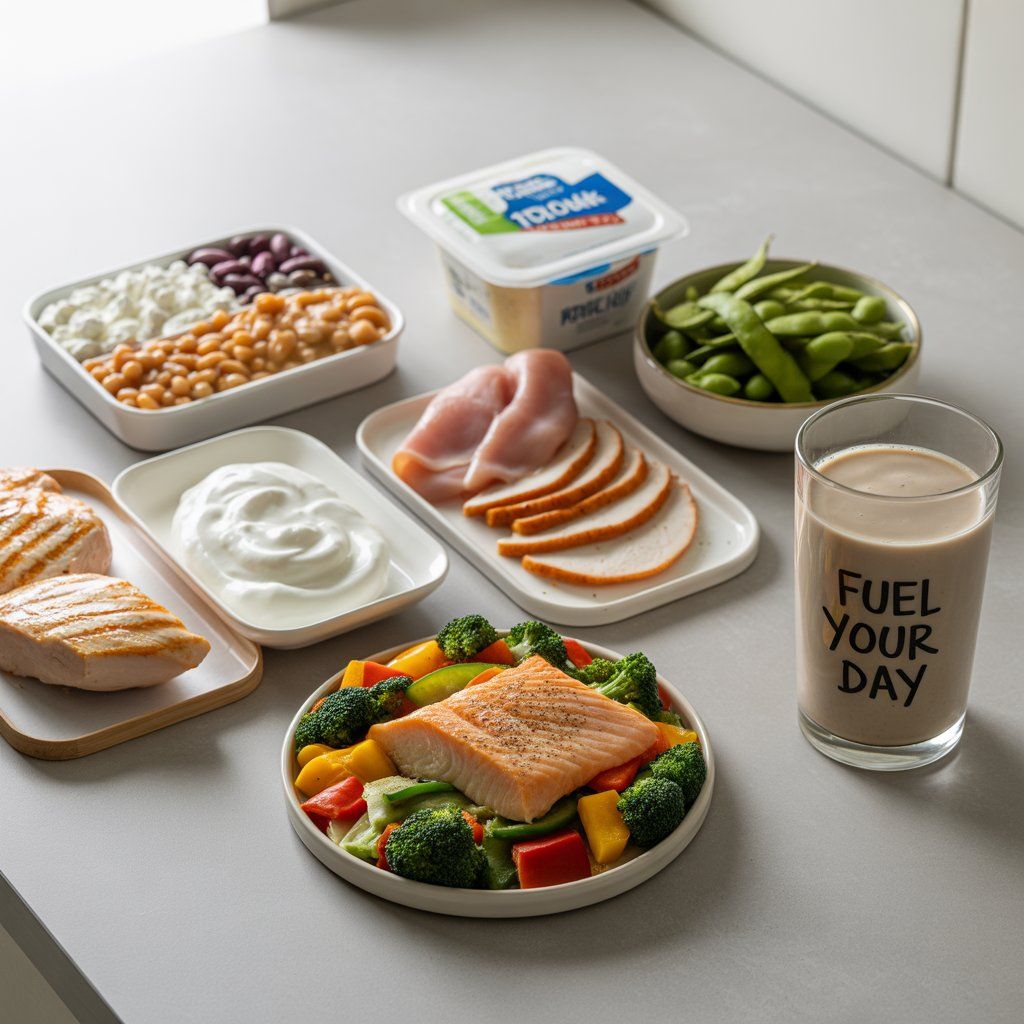
Myths & Mistakes About Eating 120g Protein
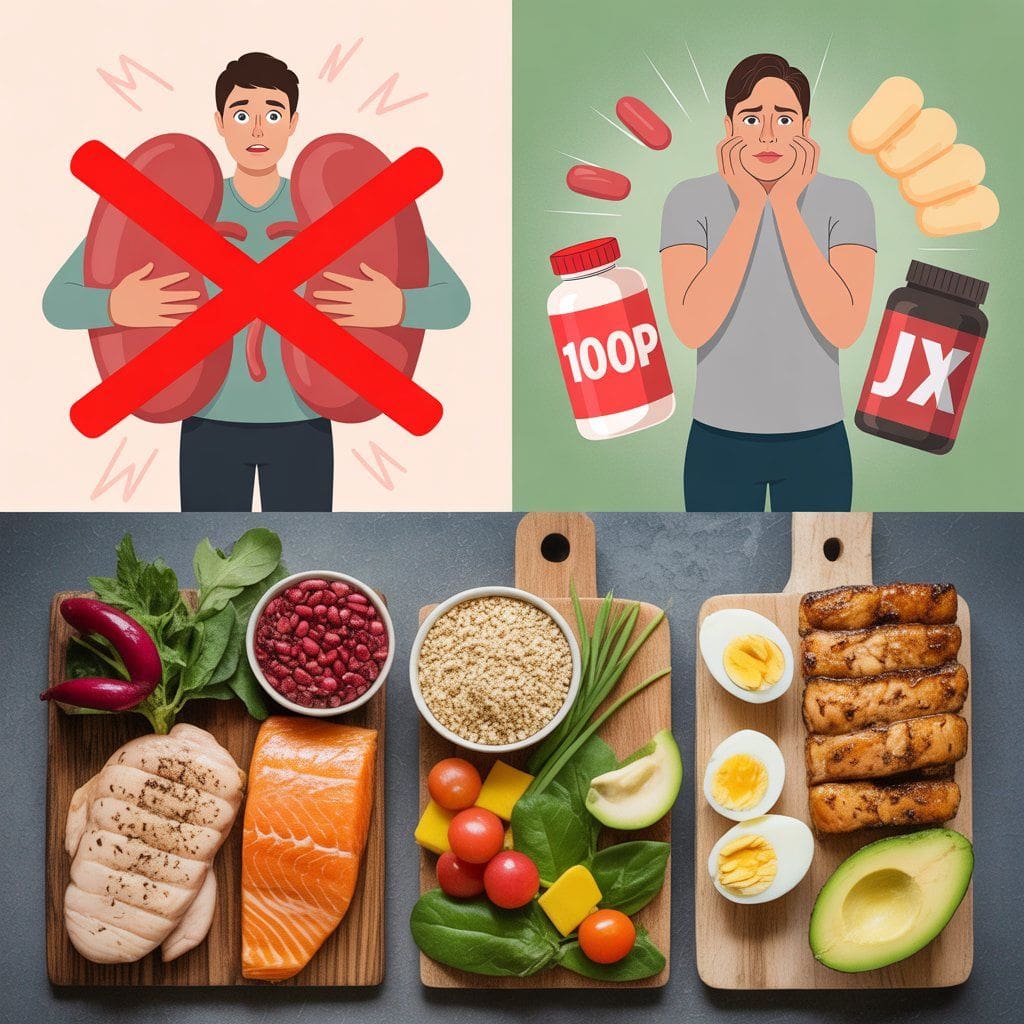
When discussing how much is 120 grams of protein, misconceptions often arise. A common myth is that high protein intake damages healthy kidneys.
In reality, research shows protein is safe for most people without pre-existing kidney issues. Another mistake is focusing only on protein while neglecting other macros like complex carbs and healthy fats, which are equally vital for performance and energy.
Some also assume that more protein always equals better results. But consuming well above 120 grams won’t necessarily speed up muscle growth if training, sleep, and overall nutrition aren’t aligned.
Others rely too heavily on supplements, forgetting that whole foods provide additional vitamins, minerals, and fiber.
The smartest approach is balance: use 120 grams of protein as a structured target while ensuring your diet remains varied, nutrient-dense, and tailored to your individual needs rather than rigid, one-size
FAQs:
Q1: Is 120 grams of protein enough for muscle gain?
Yes. For many adults, 120 grams falls within the recommended range for muscle building protein intake. Highly active athletes may require more, but for most, this target is sufficient.
Q2: Can I eat 120 grams of protein in one meal?
It’s better to spread protein throughout the day for improved digestion and absorption. Dividing intake into meals and snacks supports muscle recovery and satiety.
Q3: Is 120 grams too much protein per day?
Not for healthy adults. Concerns usually apply to those with kidney health issues. For most people, it’s a safe and balanced amount.
Q4: How can vegetarians or vegans reach 120 grams of protein daily?
By combining plant-based protein sources like lentils, beans, tofu, tempeh, and protein powders, it’s achievable without relying on animal products.
Q5: Why choose a 120 grams of protein a day meal plan instead of a lower-protein diet?
Because it improves satiety, helps regulate weight, and supports long-term muscle maintenance—advantages a low-protein approach often lacks.
Shahroz Malik is a seasoned health and nutrition writer with over four decades of practical experience in wellness and fitness.At 62, he brings unmatched expertise in protein-focused diets, muscle health, and sustainable nutrition.Through his website Protein Power, Shahroz shares evidence-based articles on high-protein meal plans, weight management, and performance nutrition.His mission is to help people of all ages discover the benefits of protein for strength, energy, and long-term health.