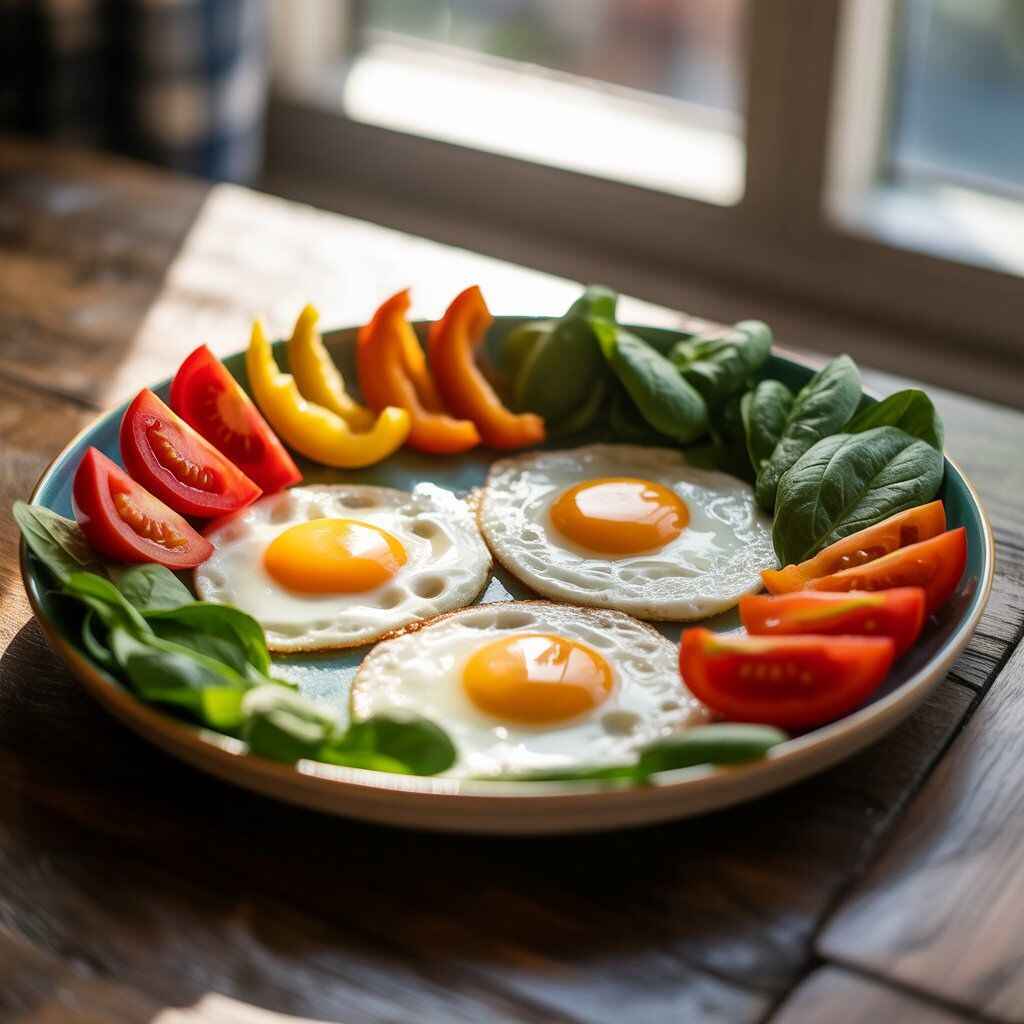
3 fried eggs give 18–21g protein and ~270–360 calories. They’re nutritious, with whites for protein and yolks for vitamins & healthy fats.
what are fried eggs and why size matter
When talking about nutrition, not all fried eggs are created equal. A “large egg” is the standard reference in most nutrition databases, weighing about 46 grams.
Size matters because a jumbo egg will naturally contain more protein, fat, and calories than a medium one.
Frying also changes the nutrition slightly. While the protein content remains the same, the calories and fat increase depending on how much oil, butter, or cooking spray you use. For example, frying three large eggs in a teaspoon of olive oil adds around 40 extra calories.
This means that when calculating 3 fried eggs protein, it’s important to also factor in the cooking method.
Whether you use butter, non-stick spray, or a dry pan will influence the final calorie and fat numbers while keeping the protein steady at roughly 18–21 grams.

Protein Content of 3 Fried Eggs
Eggs are widely recognized as a powerhouse of protein, and fried eggs are no exception. A single large fried egg provides around 6–7 grams of protei
n. That means the total for 3 fried eggs protein comes to roughly 18–21 grams, depending on egg size. This is a solid amount, considering that many people aim for 20–30 grams of protein per meal to support muscle repair and satiety.
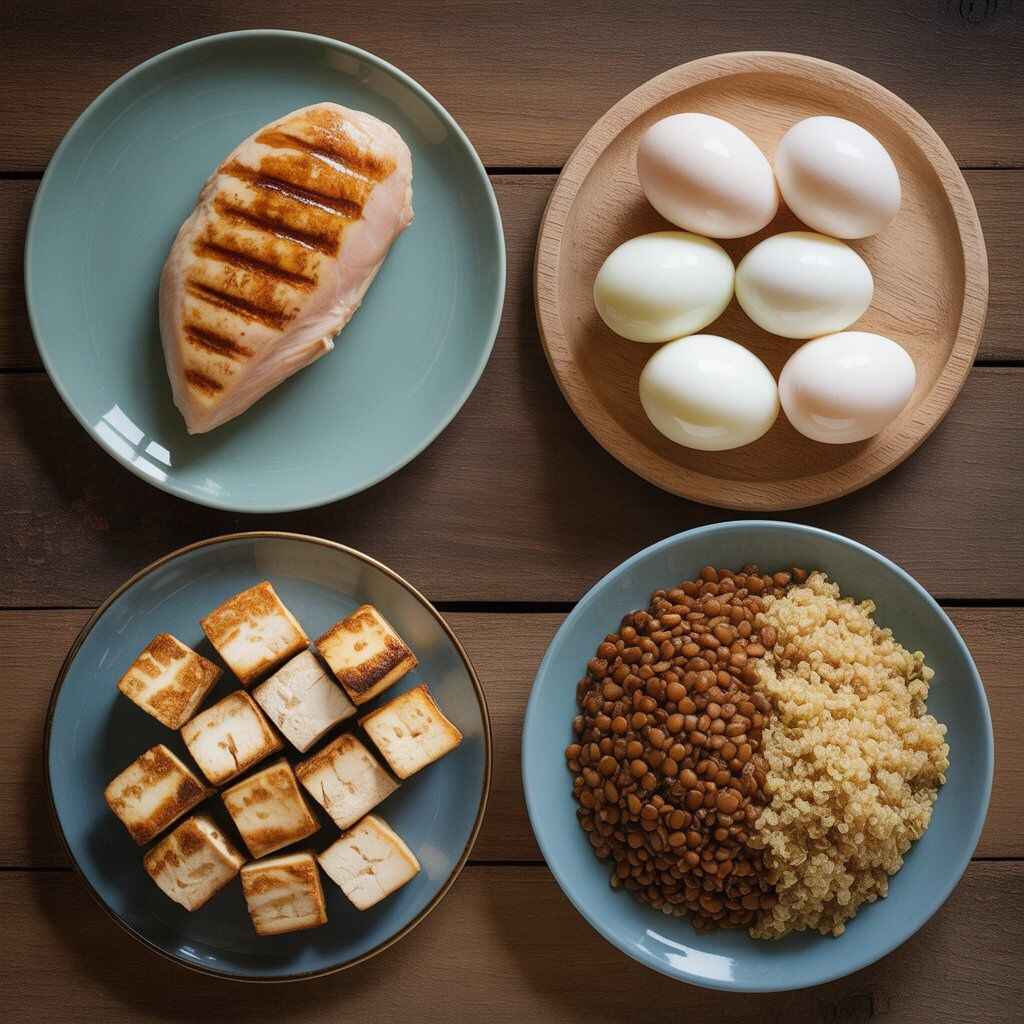
To put this into perspective, 3 fried eggs protein is comparable to a small chicken breast or a scoop of whey protein powder
. For athletes or anyone tracking macros, this makes fried eggs a reliable way to hit protein goals quickly.
The advantage here is not just the protein quantity but also the protein quality — eggs contain all nine essential amino acids, making them a complete protein source.
This means your body can use egg protein efficiently for building muscle, repairing tissue, and supporting daily energy needs.
Full Nutrition Breakdown: Calories, Fat, Cholesterol
While protein is the star, it’s worth looking at the complete nutrition profile of three fried eggs. Together, they provide about 270 calories without added oil.
That number rises if you cook with butter, margarine, or extra oil. Fat content sits at roughly 21 grams, with about 6 grams of saturated fat. Carbohydrates are nearly absent, making fried eggs naturally low-carb and keto-friendly.
The cholesterol content is what often raises eyebrows. Three large fried eggs deliver around 555 milligrams of cholesterol — nearly double the old recommended daily limit.
However, newer research shows that for most healthy people, dietary cholesterol has less impact on blood cholesterol than once believed. Instead, overall diet quality and genetics play a larger role.
That said, those with high cholesterol or heart disease should be mindful of frequent fried egg consumption. For others, three fried eggs protein paired with healthy fats and vegetables can be a nutritious and satisfying meal.
On the plus side, fried eggs also provide micronutrients like vitamin A, vitamin D, iron, and choline — nutrients that support eye health, immunity, and brain function.
This makes them a balanced choice beyond just protein and calories.
Nutrition Facts Table: 3 Fried Eggs
| Nutrient | Amount (3 Large Fried Eggs) | Notes |
|---|---|---|
| Calories | ~270 kcal | Without extra oil; frying in butter or oil adds 40–80 kcal |
| Protein | 18–21 g | High-quality, complete protein |
| Total Fat | ~21 g | Includes both healthy fats and saturated fat |
| Saturated Fat | ~6 g | Can be lowered by using minimal butter/oil |
| Cholesterol | ~555 mg | High, but less impactful for most people than once believed |
| Carbohydrates | ~0–1 g | Naturally very low-carb and keto-friendly |
| Vitamins & Minerals | Vitamin A, Vitamin D, B12, Iron, Choline, Selenium | Supports immunity, energy, brain, and bone health |
How 3 Fried Eggs Fit Different Diets
One of the biggest advantages of eggs is their versatility across different eating styles. For people following keto or low-carb plans, 3 fried eggs protein offers a filling meal with virtually no carbohydrates.
For those focused on weight loss, the high protein supports satiety, helping reduce snacking and overeating.
Athletes and bodybuilders value the quick protein boost, especially when paired with other nutrient-dense foods.
Compared to other sources, 3 fried eggs protein provides about the same protein as three ounces of chicken breast or one scoop of whey powder
This makes them easy to substitute into meal plans without sacrificing nutrition. The balance of protein, healthy fats, and micronutrients allows eggs to fit into paleo, Mediterranean, and even calorie-controlled diets.
Timing also matters: eating eggs for breakfast or post-workout can maximize their benefits by supporting muscle recovery and sustaining energy levels throughout the day.
Tips to Maximize Nutrition
How you cook and pair eggs makes a big difference in their overall nutrition. While 3 fried eggs protein always provides about 18–21 grams, the fats and calories can vary widely
. Using minimal oil, or choosing heart-healthy options like olive or avocado oil, helps keep the dish lighter. Non-stick pans can reduce the need for extra fat altogether.
To boost nutritional value, pair fried eggs with vegetables such as spinach, tomatoes, or peppers for added fiber and antioxidants.
Serving them with whole grains like oats or whole-wheat toast balances the macros with complex carbs. If you’re aiming for higher protein intake, adding lean meats, cottage cheese, or Greek yogurt to your meal works well.
These small adjustments make 3 fried eggs protein not just a source of protein, but part of a well-rounded, nutrient-dense meal that supports energy, recovery, and overall health.
FAQs:
Q1. Does frying reduce protein in eggs?
No, frying doesn’t significantly reduce protein. Three fried eggs protein remains about 18–21 grams, though the cooking method can increase calorie and fat content. Using butter adds saturated fat, while olive oil offers healthier fats without changing the protein count.
Q2. How many calories are in 3 fried eggs?
Without extra fat, about 270 calories. Cooking in oil or butter can push this closer to 320–360 calories.
Q3. Is eating 3 fried eggs daily healthy?
For most people, yes. They provide high-quality protein, vitamins, and minerals. Those with high cholesterol should consult a doctor before eating eggs daily.
Q4. Egg whites vs. whole eggs: which is better?
Egg whites are pure protein, while yolks contain vitamins, healthy fats, and choline. Whole eggs give a more complete nutrition profile.
Q5. How does 3 fried eggs protein compare to other foods?
It equals about 3 ounces of chicken breast or a standard scoop of whey protein.

Shahroz Malik is a seasoned health and nutrition writer with over four decades of practical experience in wellness and fitness.At 62, he brings unmatched expertise in protein-focused diets, muscle health, and sustainable nutrition.Through his website Protein Power, Shahroz shares evidence-based articles on high-protein meal plans, weight management, and performance nutrition.His mission is to help people of all ages discover the benefits of protein for strength, energy, and long-term health.