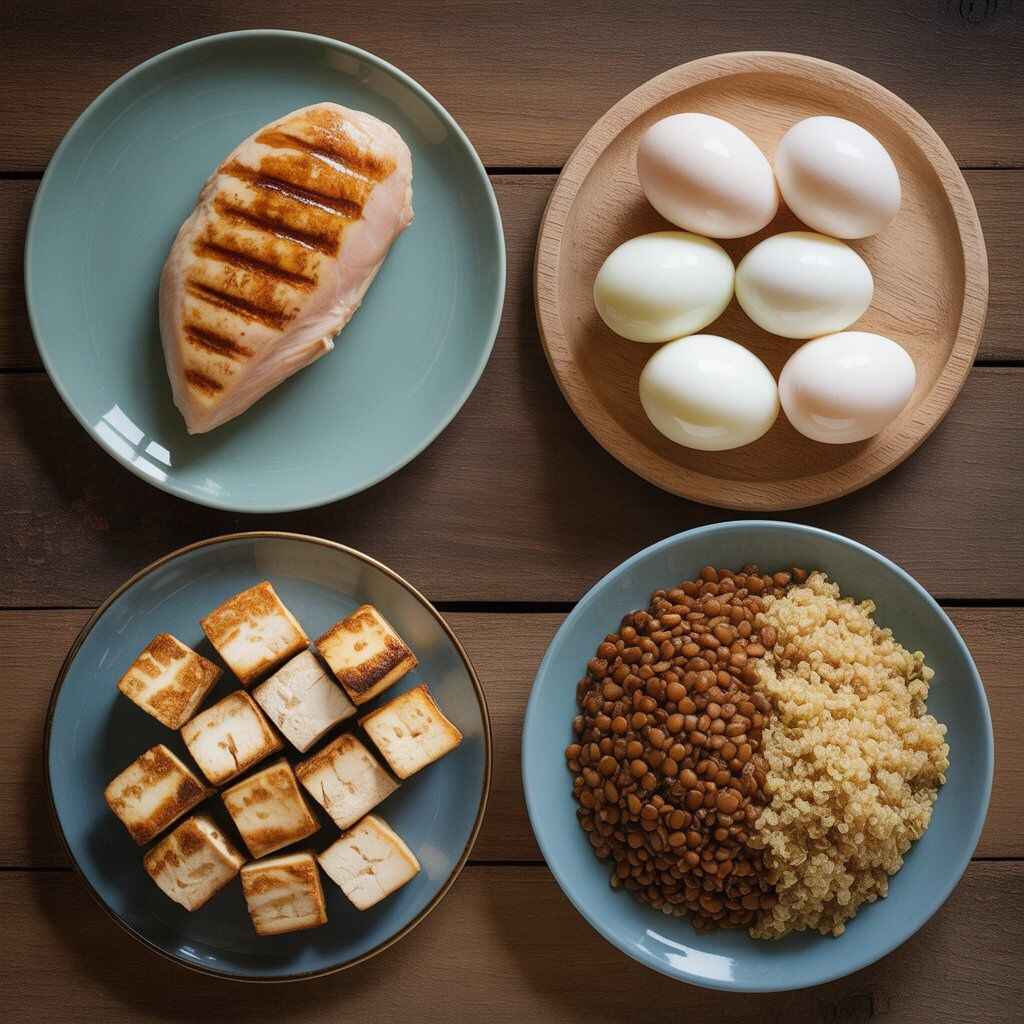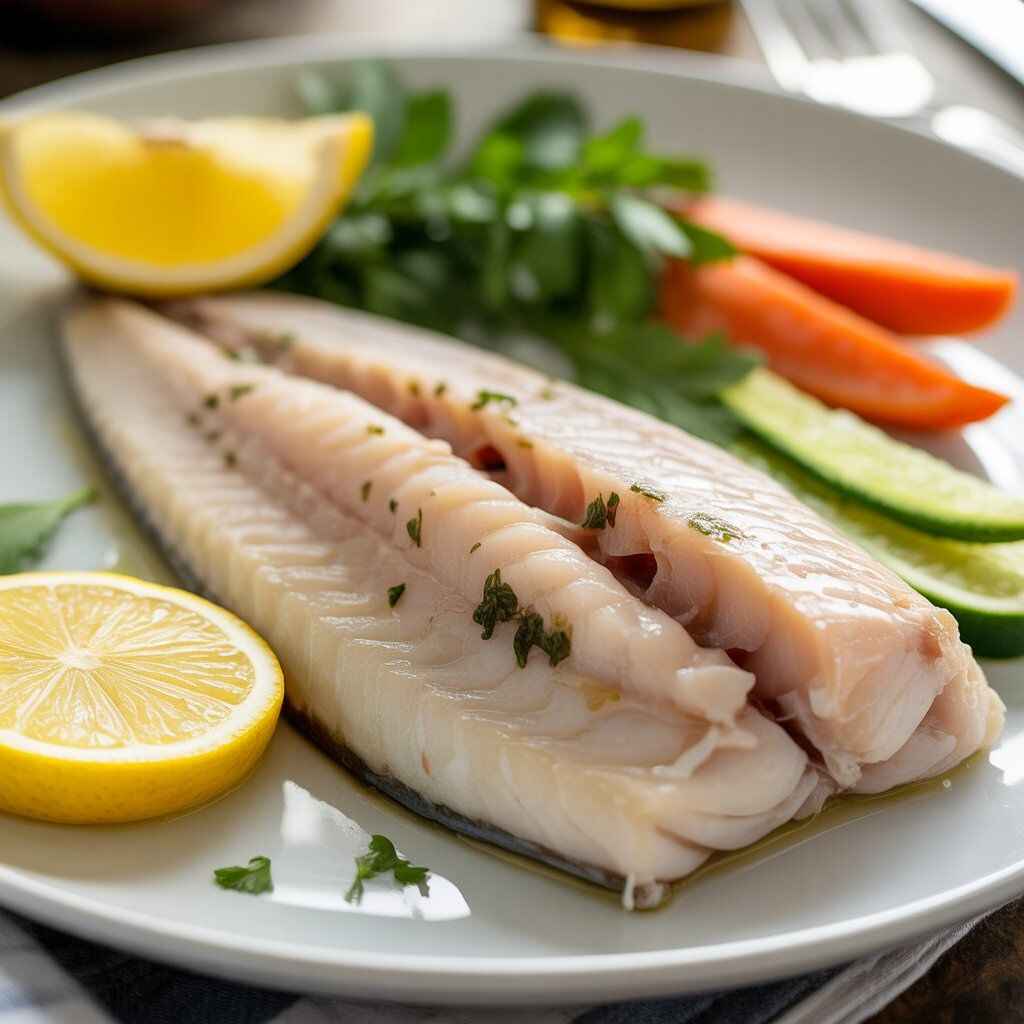
FAQs on Catfish Protein: Health Benefits, Muscle Building, Weight Loss, Tilapia Comparison, and Why Farmed Catfish Is Safe
Catfish Protein
When people think of seafood, salmon or tuna often come to mind, but catfish protein deserves a closer look.
Affordable, versatile, and surprisingly nutrient-rich, catfish offers lean protein that supports muscle repair, weight management, and overall health
. A single serving provides an impressive amount of protein along with vitamins like B12 and minerals such as selenium and phosphorus.
Whether you’re planning healthy meal prep, exploring high-protein fish options, or simply looking for a budget-friendly source of nutrition, catfish makes a strong addition to your diet.
Catfish Protein at a Glance — Nutrition Snapshot
A standard 3.5-ounce (100 g) serving of catfish delivers around 18 grams of protein, making it a solid lean fish option.
Most cooked fillets provide 15–26 grams of catfish protein, depending on size and preparation.
Alongside protein, catfish is low in calories and supplies vitamin B12, selenium, and phosphorus — nutrients that support energy, immunity, and bone health.
While not as high in omega-3s as salmon, catfish still offers a balanced nutrition profile at an affordable price point.
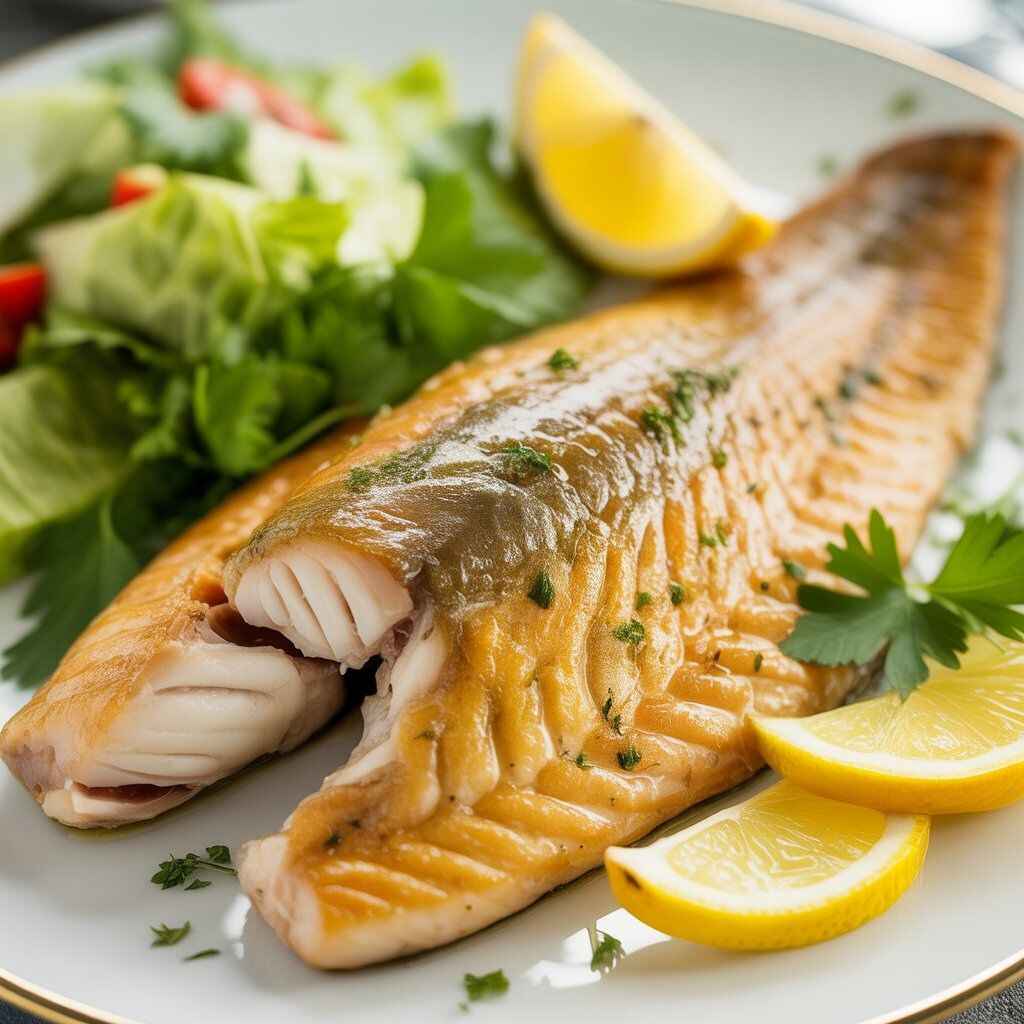
How Much Protein Does Catfish Provide? Serving Sizes Explained
The amount of catfish protein you get depends on serving size and preparation. A small 3-ounce cooked fillet usually provides 15–20 grams of protein, while a larger 6-ounce portion can reach 25–30 grams.
Raw values are slightly different, but the range remains consistent across both farmed and wild catfish. Grilling, baking, or broiling helps preserve protein without adding excess calories or fat.
This makes catfish a dependable, lean protein choice that fits into muscle-building, weight-loss, or balanced diet plans.
Health Benefits of Catfish Protein
Adding catfish protein to your diet offers several health advantages. As a lean fish protein, it provides all the essential amino acids needed for muscle repair and energy.
The high-quality protein also supports satiety, making catfish a smart choice for weight management.
Beyond protein, catfish supplies vitamin B12 for nerve function, selenium for immunity, and phosphorus for bone health.
Because it’s relatively low in mercury compared to many fish, catfish is both a safe and sustainable protein source.
Catfish Nutrition Facts (per 100 g, cooked fillet)
| Nutrient | Amount (Approx.) | Why It Matters |
|---|---|---|
| Protein | 18 g | Lean catfish protein supports muscle growth & repair |
| Calories | 105 kcal | Low calorie fish protein option |
| Total Fat | 3 g | Lower than many meats; mostly unsaturated |
| Omega-3 Fatty Acids | 200–250 mg | Supports heart and brain health |
| Vitamin B12 | 120% DV | Vital for energy & nerve function |
| Selenium | 25% DV | Antioxidant that aids immunity |
| Phosphorus | 20% DV | Supports bone strength & energy use |
Catfish Protein vs Other Fish — Quick Comparison
When comparing catfish protein to other popular fish, it holds up well. A 3.5-ounce serving of catfish provides about 18 grams of protein, similar to tilapia.
Salmon typically delivers closer to 22 grams, along with higher omega-3 fatty acids, while tuna and cod also rank slightly higher in protein density.
What sets catfish apart is its affordability, mild flavor, and lower mercury risk. For anyone seeking lean fish high in protein, catfish remains a reliable and accessible option.
Cooking Catfish to Preserve Protein & Nutrition
How you cook catfish can influence the nutrition you get, but the catfish protein content stays fairly consistent.
Grilling, baking, broiling, or pan-searing helps retain lean protein without adding unnecessary calories. Frying or heavy breading, while tasty, increases fat and sodium, which may overshadow its health benefits.
For the best balance, season lightly with herbs or spices and cook until the fillet reaches a safe internal temperature. These simple methods keep catfish a clean, protein-rich option for any meal.

High-Protein Catfish Recipes You Can Try
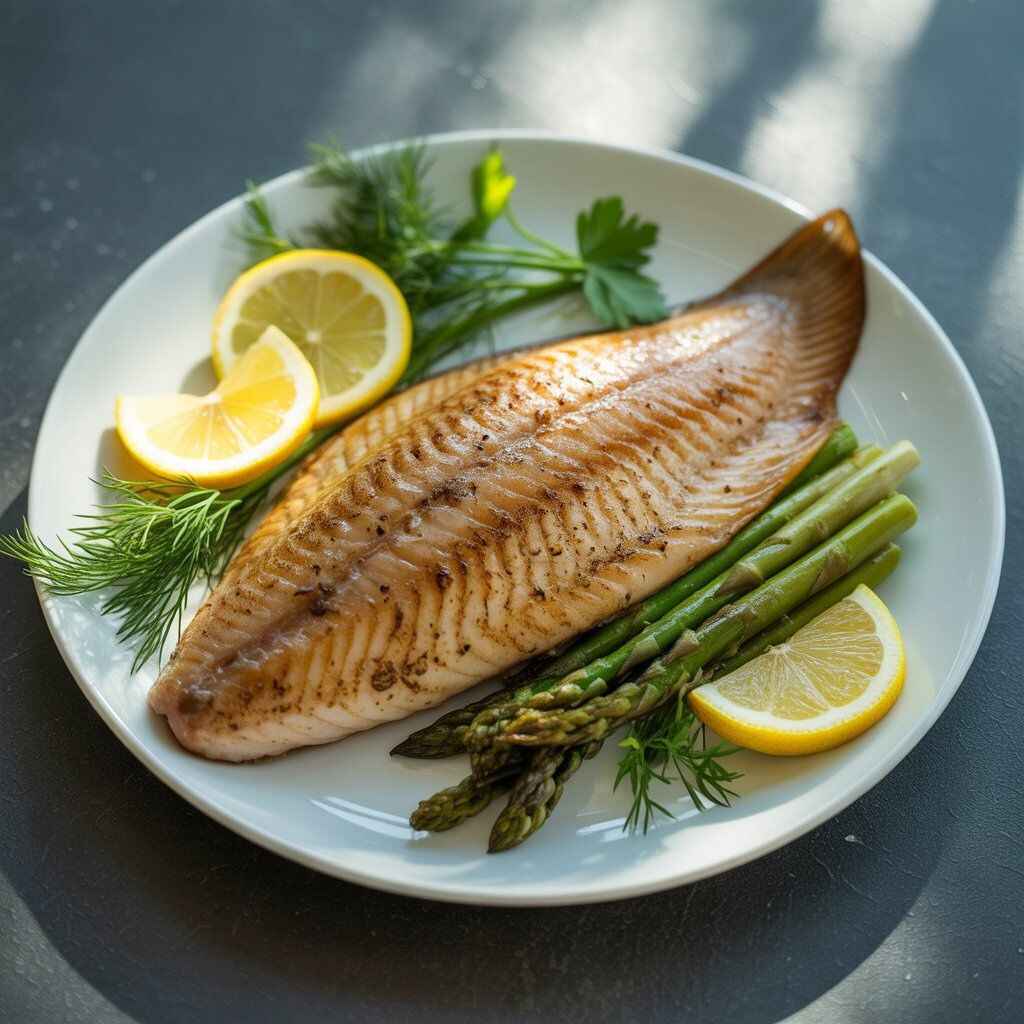
Cooking at home makes it easy to enjoy catfish protein in healthy, flavorful ways. A grilled lemon-herb catfish fillet offers around 25 grams of protein with minimal fat.
Blackened catfish served over quinoa and beans creates a nutrient-dense bowl packed with lean protein and fiber. For quick meal prep, a catfish stir-fry with vegetables delivers balanced macros and steady energy.
Each recipe highlights how versatile catfish can be, making it a convenient, protein-rich choice for everyday meals or fitness goals.
Sustainability, Sourcing & Safety Tips
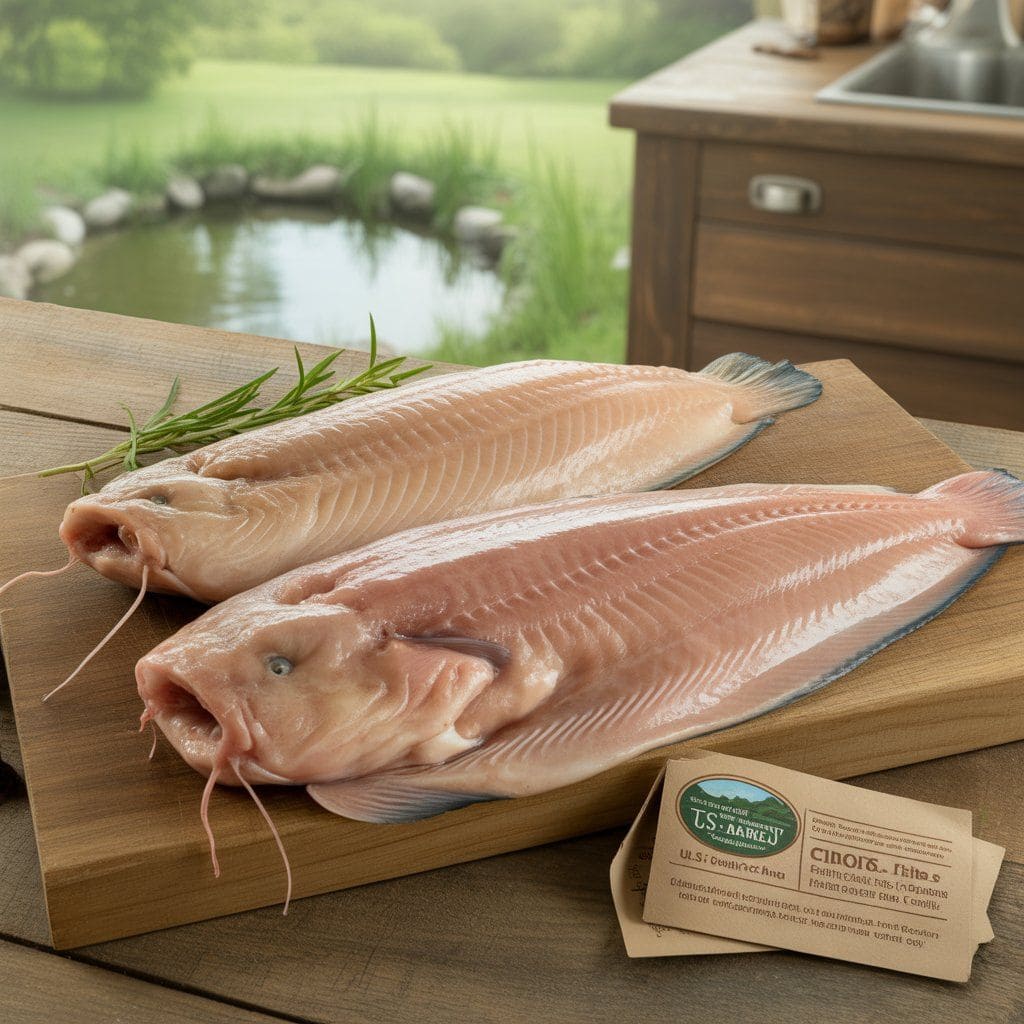
Choosing the right source ensures your catfish protein is both healthy and sustainable. Farmed catfish raised in regulated U.S. ponds are generally low in mercury and considered environmentally responsible.
Wild catfish can also be nutritious but may vary in quality depending on local waters. When buying, look for firm, fresh-smelling fillets and check labels for origin.
Store catfish properly and cook to safe temperatures to avoid foodborne risks. With smart sourcing, catfish remains a reliable, eco-friendly lean protein.
FAQs
How much protein is in catfish?
A 3.5-ounce serving provides about 18 grams of catfish protein.
Is catfish good for muscle building?
Yes, its complete amino acids support muscle repair and growth.
Is catfish healthier than tilapia?
Both are lean, but catfish has slightly more flavor and similar protein.
Can catfish help with weight loss?
Yes, lean catfish protein promotes fullness without excess calories.
Is farmed catfish safe?
Farm-raised catfish is sustainable, low in mercury, and widely considered safe.

Shahroz Malik is a seasoned health and nutrition writer with over four decades of practical experience in wellness and fitness.At 62, he brings unmatched expertise in protein-focused diets, muscle health, and sustainable nutrition.Through his website Protein Power, Shahroz shares evidence-based articles on high-protein meal plans, weight management, and performance nutrition.His mission is to help people of all ages discover the benefits of protein for strength, energy, and long-term health.