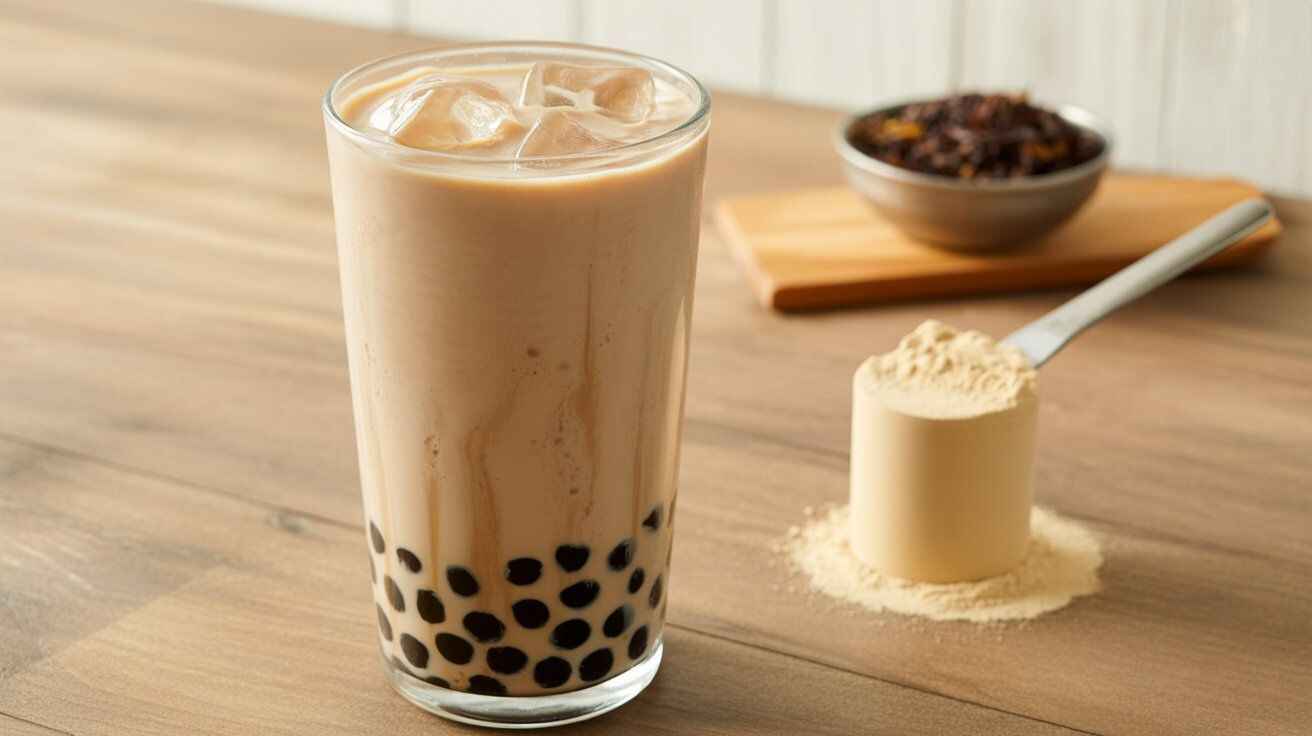
Plant protein like pea or soy works well in boba tea. Prevent clumping by mixing warm. Pearls optional; try chia. Best fresh, but lasts 24 hrs.
How to Make Protein Boba Tea at Home – Easy Recipe Guide
If you love bubble tea but wish it packed more nutritional value, learning boba tea protein how to make at home is the perfect solution.
Traditional milk tea with tapioca pearls is tasty, but it’s often high in sugar and low in protein.
By blending your favorite tea base with whey protein isolate or plant protein powder, you can turn a fun drink into a high protein boba that supports muscle recovery and keeps you full longer.
Making protein bubble tea at home also gives you control over sweetness, flavors, and ingredients.
Whether you’re after a post-workout shake or just want a healthier spin on milk tea, this guide will show you exactly how to do it step by step.
What Is Boba Tea (Bubble Tea)?
Boba tea, also known as bubble tea, originated in Taiwan and has become a worldwide favorite.
At its core, it’s a blend of brewed tea, milk, sweetener, and chewy tapioca pearls that settle at the bottom of the glass.
The pearls, or “boba,” give the drink its signature texture and playful appeal.
While the classic version focuses on flavor and fun, the rise of boba tea protein how to make recipes adds a functional twist—turning the drink into both a treat and a protein-packed beverage.
Why Add Protein to Boba Tea?
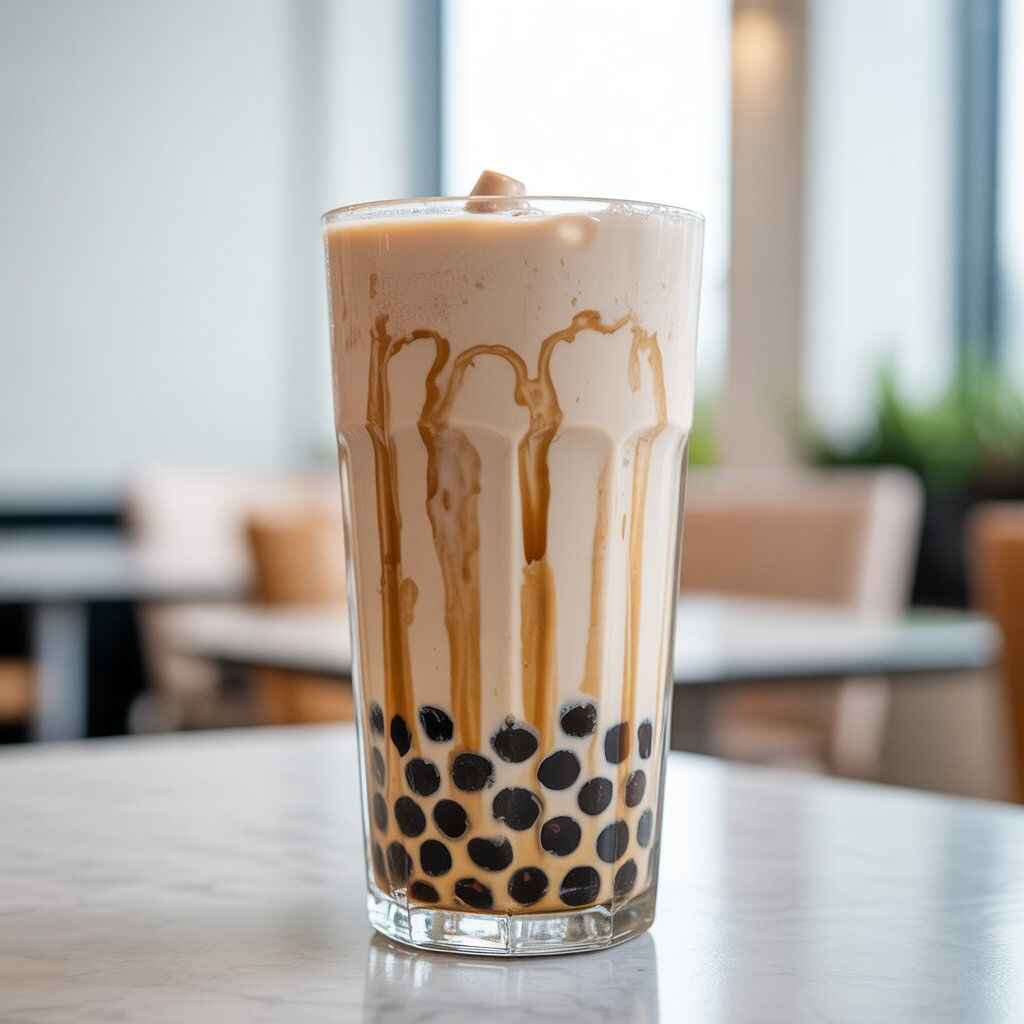
Adding protein to boba tea transforms it from a sugary treat into a balanced, functional drink. A typical bubble tea is high in carbs but lacks nutrients that keep you satisfied.
When you mix in whey protein isolate or a plant protein powder, you boost the protein content, which supports muscle recovery, stabilizes energy, and curbs cravings.
Many people searching for boba tea protein how to make are looking for a post-workout option, and this version delivers both flavor and nutrition in one refreshing glass.
Ingredients & Equipment for Boba Tea Protein How to Make
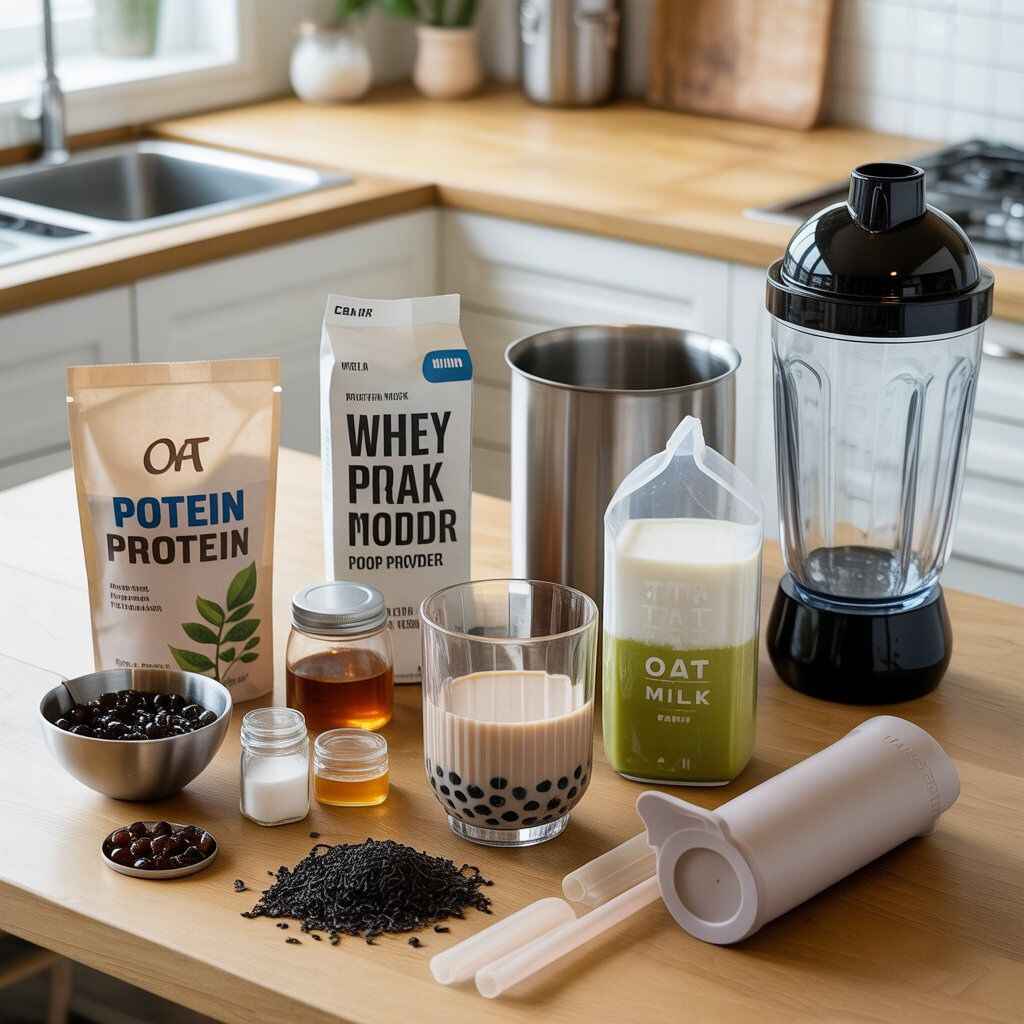
To prepare boba tea protein how to make successfully, start with a strong tea base—black, green, or matcha all work well.
Add milk or a dairy-free alternative like oat or almond milk. For protein, choose whey isolate for a creamy finish or plant protein powder for a vegan option.
You’ll also need tapioca pearls for the classic texture, along with your choice of sweetener. Essential tools include a pot for cooking pearls, a shaker or blender to mix protein powder smoothly, and a tall glass with a wide straw.
Table
| Section | Heading | Word Count | Focus |
|---|---|---|---|
| 1 | Introduction | 120 | Why boba tea protein how to make matters, health & control benefits |
| 2 | What Is Boba Tea? | 88 | Origins, basics of bubble tea, protein twist |
| 3 | Why Add Protein? | 87 | Health benefits, satiety, post-workout appeal |
| 4 | Ingredients & Equipment | 89 | Tea base, protein powder options, pearls, tools |
| 5 | Step-by-Step Guide | 88 | Cooking pearls, brewing tea, mixing protein, assembling drink |
| 6 | Nutrition & Macros | 86 | Protein per serving, macros, healthier vs regular boba |
| 7 | Flavor Twists | 88 | Matcha, taro, ube, Thai tea, vegan options |
| 8 | Tips & Troubleshooting | 87 | Avoid clumping, soggy pearls, sweetness control |
| 9 | FAQs | 89 | Common questions: plant protein, clumping, pearls, storage |
| 10 | Conclusion | 88 | Recap, flavor experiments, call to action |
Boba Tea Protein How to Make
Start by cooking tapioca pearls until soft and chewy, then set them aside in a sweetener or syrup. Brew your tea base—black, green, or flavored—and let it cool slightly.
In a shaker or blender, mix protein powder with milk or water until smooth, avoiding clumps. Pour the pearls into a tall glass, add ice, then combine the tea with your protein blend.
Shake or stir well before serving. This method ensures your protein bubble tea is creamy, balanced, and ready to enjoy.
Nutrition & Macros in Protein Boba Tea
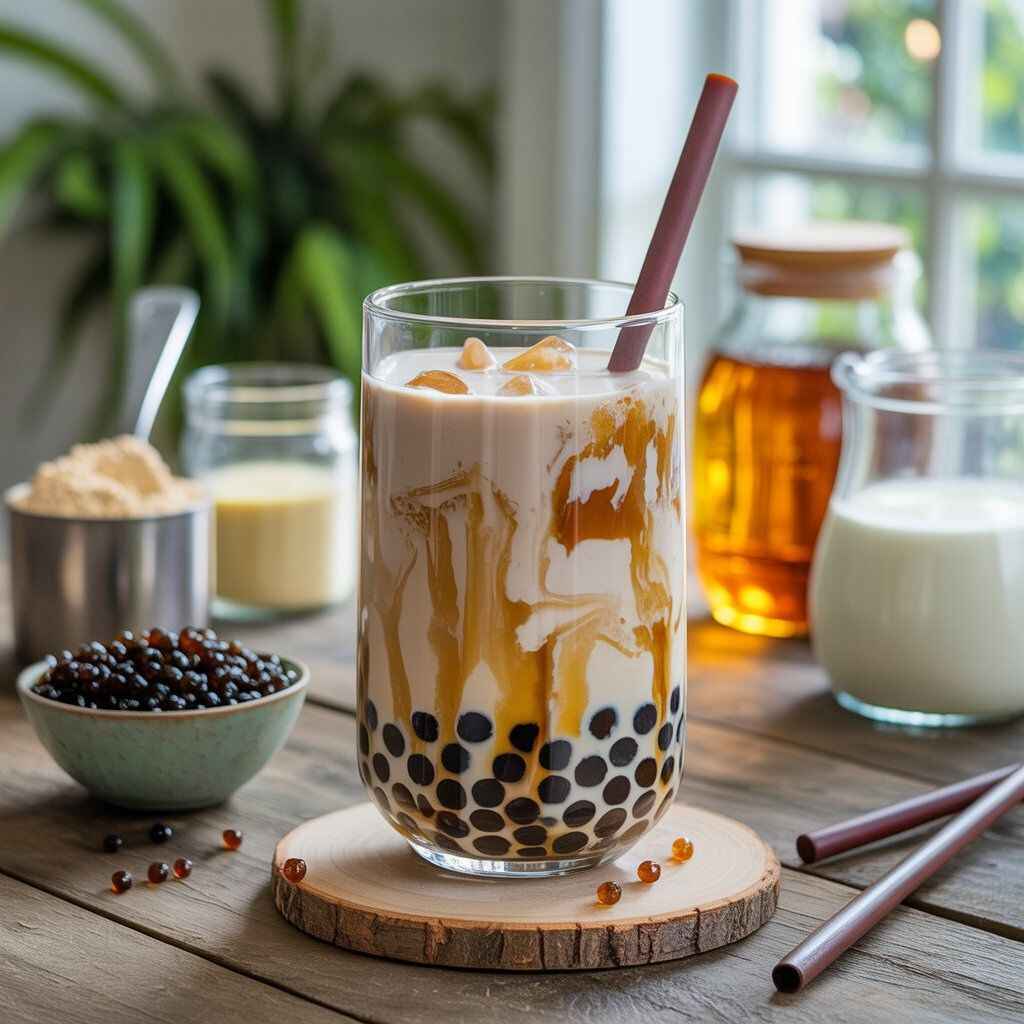
One serving of protein boba tea typically provides around 20–30 grams of protein, depending on your chosen powder.
Compared to traditional bubble tea, which is high in sugar and low in nutrients, this version offers a more balanced profile.
Expect moderate carbs from tapioca pearls, healthy fats if you use milk alternatives, and customizable sweetness based on your preferences.
People exploring boba tea protein how to make often value knowing the macros, and this drink delivers a satisfying mix of taste and nutrition without unnecessary calories
Flavor Twists & Variations
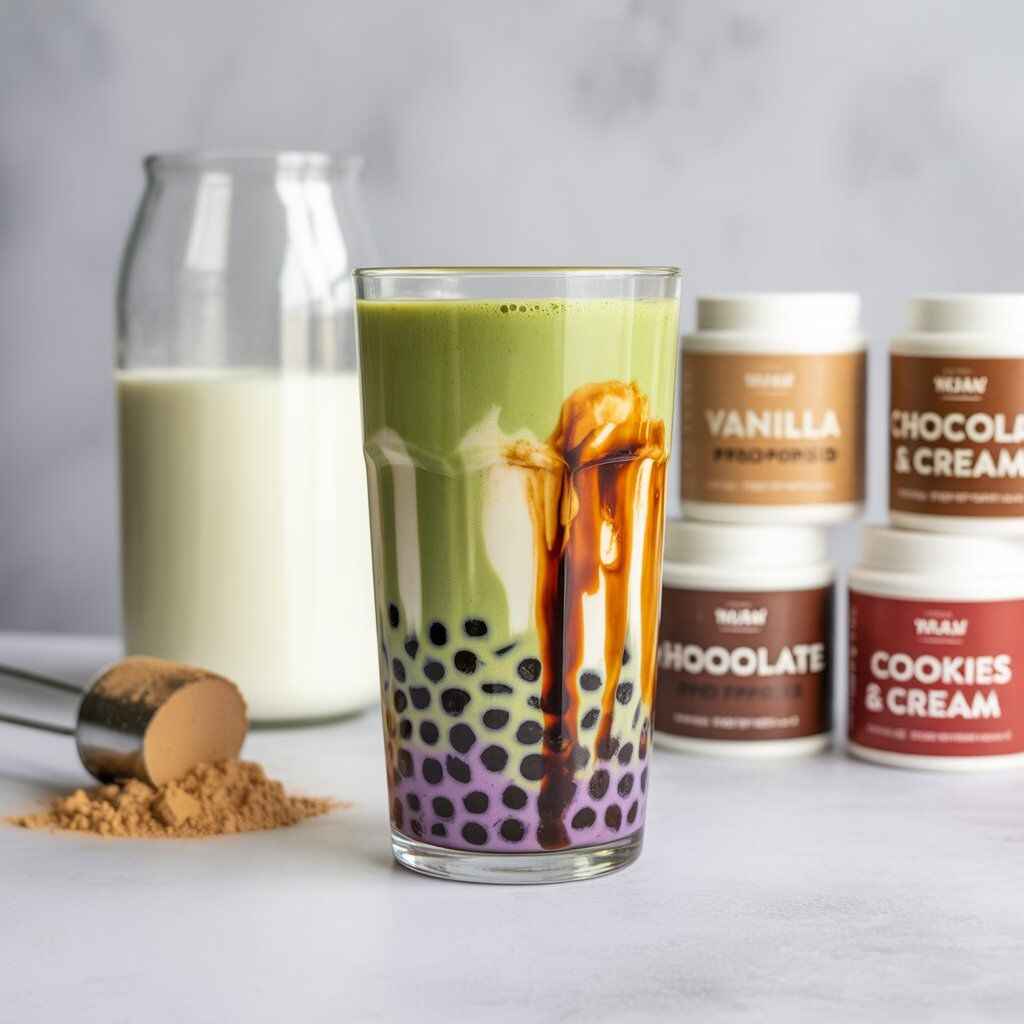
One of the best parts about boba tea protein how to make is how easily you can customize it. Matcha protein boba offers earthy flavor, while taro or ube protein boba provide colorful, dessert-like options.
Thai tea or chai blends add spice and warmth. For dairy-free or vegan protein boba, try oat or almond milk with plant protein powder.
You can also experiment with flavored protein powders—vanilla, chocolate, or cookies and cream—to transform your bubble tea protein drink into something that feels indulgent yet nourishing.
FAQs
Can I use plant protein in boba tea?
Yes, pea or soy protein blends well and is perfect for vegan protein boba.
How do I stop protein clumping?
Mix with warm liquid first or shake vigorously in a blender bottle.
Do I need tapioca pearls?
Not necessarily—chia seeds or konjac pearls are lower-carb alternatives.
How long does it last?
Fresh is best, but refrigerate up to 24 hours.
Shahroz Malik is a seasoned health and nutrition writer with over four decades of practical experience in wellness and fitness.At 62, he brings unmatched expertise in protein-focused diets, muscle health, and sustainable nutrition.Through his website Protein Power, Shahroz shares evidence-based articles on high-protein meal plans, weight management, and performance nutrition.His mission is to help people of all ages discover the benefits of protein for strength, energy, and long-term health.