Consuming 300g protein boosts muscle growth, satiety, and recovery, but requires meal planning and caution for kidne
understanding 300 grams of protein a day
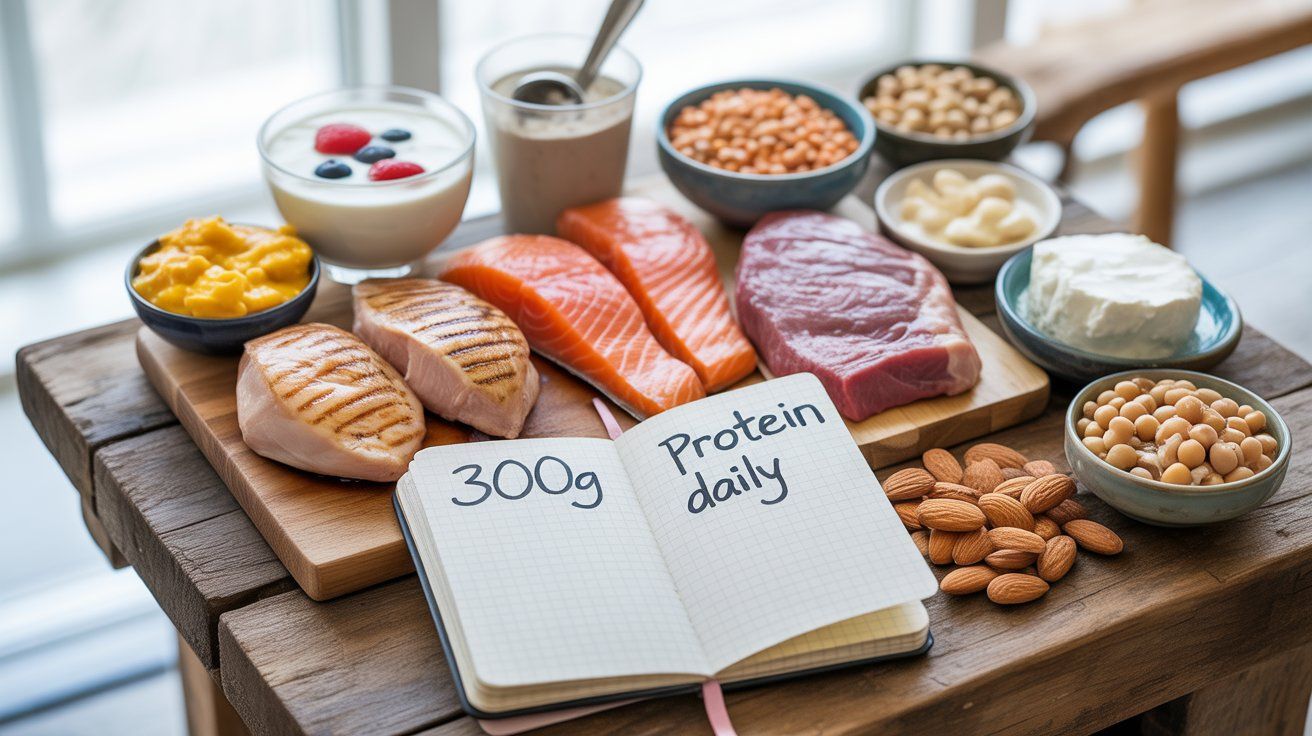
Consuming 300 grams of protein a day may sound extreme, but for athletes, bodybuilders, and highly active individuals, it can be a practical target. Achieving this level of protein intake requires planning and an understanding of protein-rich foods that provide both quality and variety. Lean meats, fish, eggs, dairy, legumes, and plant-based proteins like tofu can all contribute to reaching this goal. Even protein supplements such as whey or plant-based powders can help fill gaps in your diet.
To put it in perspective, hitting 300 grams of protein a day usually involves multiple meals and snacks spaced throughout the day to optimize protein absorption and muscle protein synthesis. Proper distribution ensures your body effectively uses the protein for muscle growth, recovery, and overall health, while avoiding unnecessary strain on digestion.
Meal Planning Tips for 300 Grams of Protein a Day
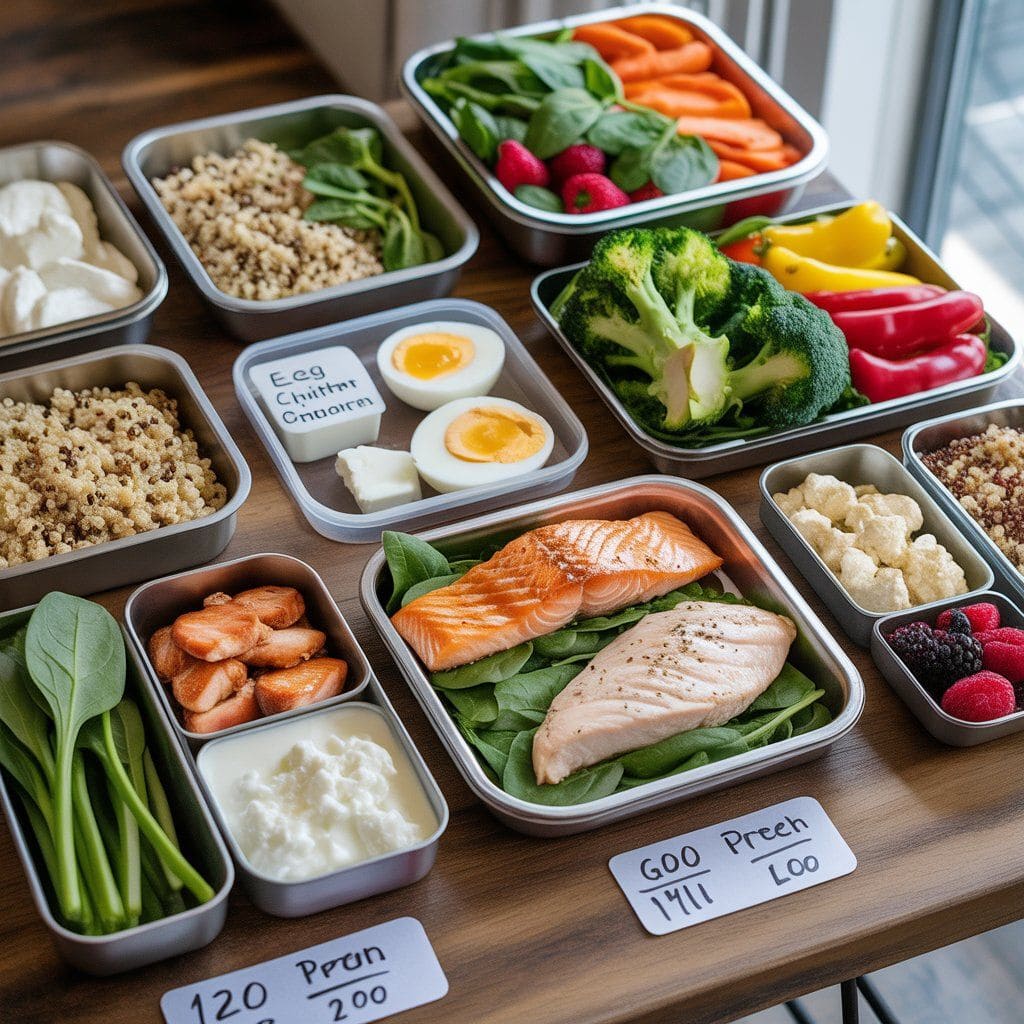
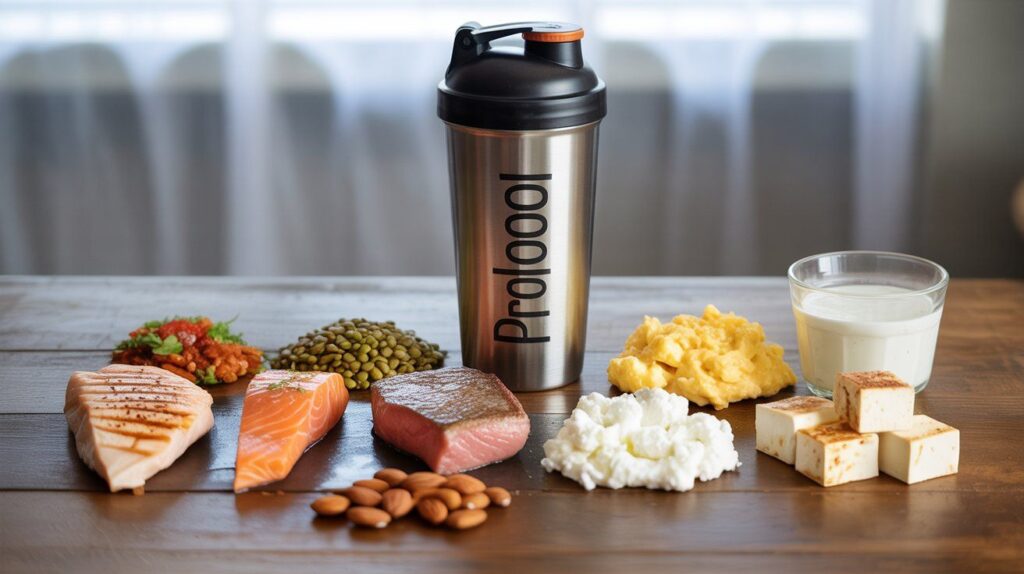
Reaching 300 grams of protein a day requires careful meal planning and distribution across multiple meals. Incorporate high-quality protein sources like chicken breast, fish, eggs, Greek yogurt, tofu, and legumes. Protein supplements such as whey or plant-based powders can help fill gaps without excess calories. Aim for 5–6 meals or snacks per day to optimize protein absorption and muscle protein synthesis. Pair protein with balanced carbohydrates and healthy fats to maintain overall nutrition while supporting lean muscle mass and workout recovery.
Benefits of Consuming 300 Grams of Protein a Day
Why 300 Grams of Protein a Day Can Boost Muscle and Fitness
Eating 300 grams of protein a day offers significant advantages, especially for those aiming to build lean muscle mass or enhance performance. High protein intake supports muscle protein synthesis, helping muscles repair and grow after workouts. It also promotes satiety, making it easier to manage calorie intake for weight loss or maintenance. Additionally, a well-planned high-protein diet can improve metabolism and energy levels, while protein-rich foods like chicken, fish, eggs, and Greek yogurt provide essential amino acids. For athletes, spacing protein throughout meals enhances protein absorption and optimizes recovery.
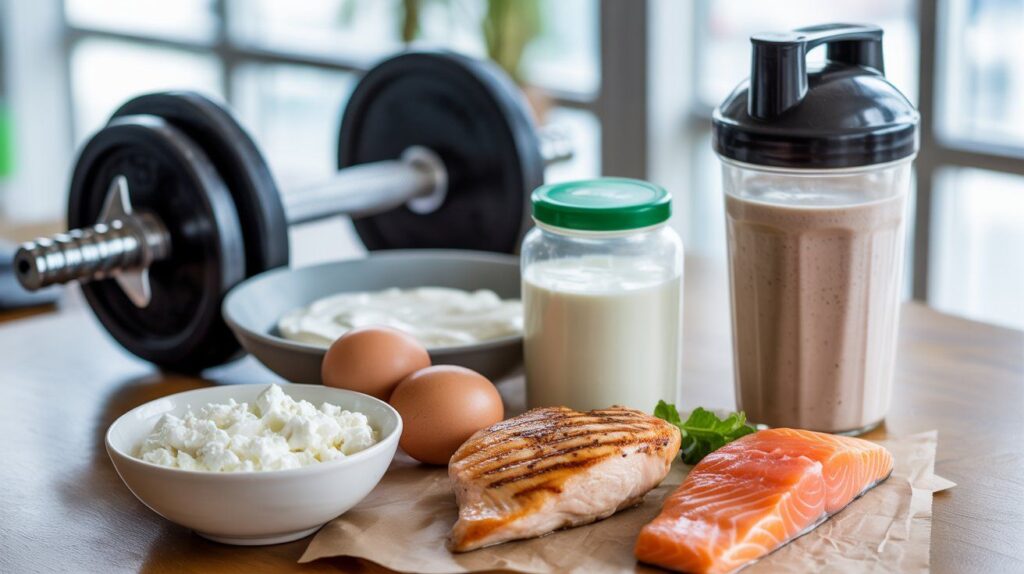
Here’s a table summarizing protein sources, servings, and protein content
| Protein Source | Serving Size | Protein (g) | Notes |
|---|---|---|---|
| Chicken Breast | 200g (cooked) | 46 | Lean meat, excellent for muscle growth and recovery |
| Salmon | 200g | 40 | Provides healthy fats and omega-3s alongside high protein |
| Eggs | 4 large | 24 | Affordable, versatile, rich in essential amino acids |
| Greek Yogurt | 300g | 30 | Can be used in breakfast or snacks, high protein, low fat |
| Cottage Cheese | 200g | 28 | Slow-digesting protein, ideal before sleep or between meals |
| Tofu | 300g | 36 | Plant-based protein, suitable for vegetarians or vegans |
| Lentils | 1.5 cups (cooked) | 27 | Plant-based protein, high in fiber and micronutrients |
| Whey Protein Powder | 2 scoops (60g) | 48 | Convenient supplement to reach high protein goals |
| Almonds | 100g | 21 | Snack option, also provides healthy fats |
| Lean Beef | 200g | 50 | Rich in iron and creatine, supports musc |
Conclusion: Making Informed Choices
Consuming 300 grams of protein a day can be highly effective for muscle growth, recovery, and performance, but it’s not a one-size-fits-all approach. Achieving this intake safely requires careful meal planning, incorporating diverse protein sources, and balancing carbohydrates and healthy fats. Monitoring overall caloric intake and consulting a nutritionist or healthcare professional ensures your diet supports both fitness goals and long-term health. Personalization and moderation are essential to maximize benefits while minimizing potential risks of excessive protein intake.
Sample Meal Plan for 300 Grams of Protein a Day
How to Structure Your Meals for Maximum Protein
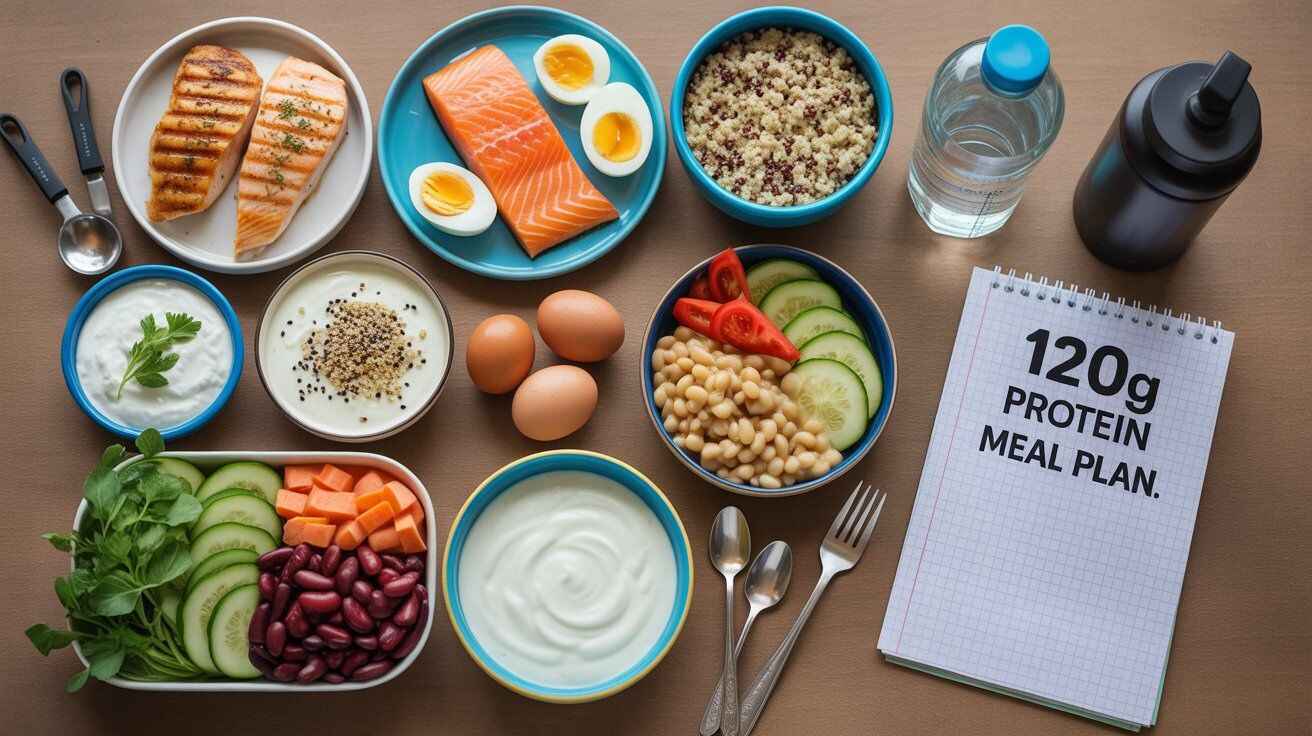
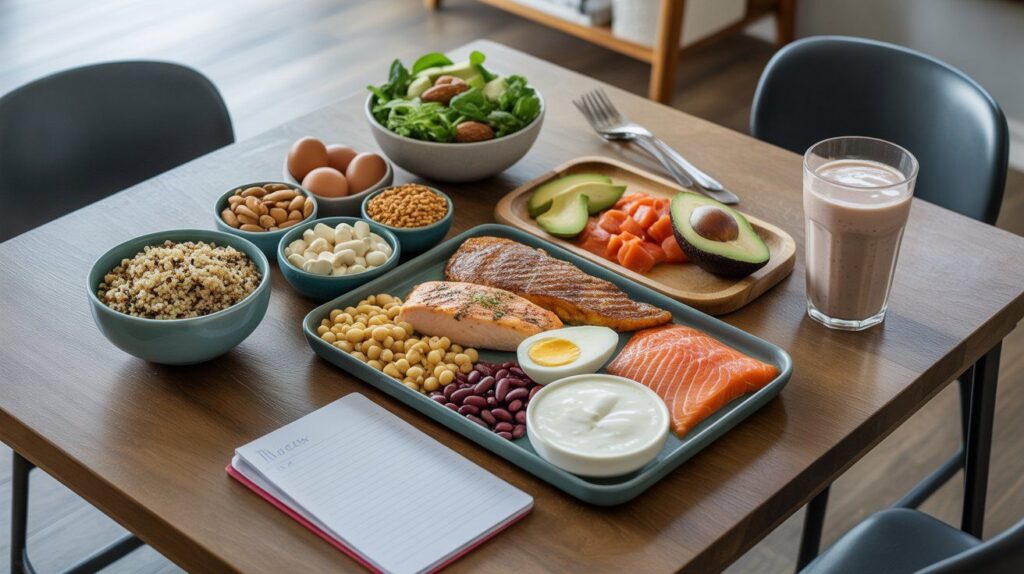
Here’s an example of how to reach 300 grams of protein a day without overloading calories. Start with a breakfast of eggs, Greek yogurt, and oatmeal for about 60 grams of protein. Lunch can include grilled chicken, quinoa, and vegetables for another 60 grams. Snacks like protein shakes, cottage cheese, or nuts add 50–60 grams each. Dinner with fish, tofu, or lean beef plus legumes provides the remaining protein. Spreading protein evenly across 5–6 meals optimizes protein absorption, supports muscle protein synthesis, and maintains energy throughout the day.
Tips & Tricks to Hit 300 Grams of Protein a Day
H2: Practical Strategies for High-Protein Success
Hitting 300 grams of protein a day is achievable with some planning. Focus on meal prep for protein, cooking in bulk, and using protein supplements like whey or plant-based powders. Incorporate protein-rich foods in every meal, including lean meats, eggs, dairy, legumes, and tofu. Space protein evenly across 5–6 meals to enhance protein absorption and support muscle protein synthesis. Tracking intake with apps or journals ensures you meet your daily target while maintaining a balanced high-protein diet and overall nutrient variety.

FAQ:
H2: Frequently Asked Questions
Q1: Can I safely eat 300 grams of protein a day?
Yes, healthy adults can, but monitoring kidney function and balancing other nutrients is important.
Q2: How many meals are needed?
Typically 5–6 meals or snacks, each providing 50–60 grams of protein for optimal protein absorption.
Q3: Which foods help reach 300 grams of protein?
Lean meats, fish, eggs, Greek yogurt, tofu, legumes, and protein supplements.
Q4: Is it too much for weight loss?
No, it helps maintain lean muscle mass while supporting calorie control.
Q5: Can vegetarians or vegans achieve this?
Yes, with soy products, legumes, nuts, seeds, and plant-based protein powders.

Shahroz Malik is a seasoned health and nutrition writer with over four decades of practical experience in wellness and fitness.At 62, he brings unmatched expertise in protein-focused diets, muscle health, and sustainable nutrition.Through his website Protein Power, Shahroz shares evidence-based articles on high-protein meal plans, weight management, and performance nutrition.His mission is to help people of all ages discover the benefits of protein for strength, energy, and long-term health.